There’s something reassuring about filling a glass straight from the kitchen tap and enjoying a cool drink without thinking twice about it. Yet many homeowners notice that their water doesn’t always taste or smell the way they’d like. Sometimes there’s a chlorine-like odor, an unusual aftertaste, or concern about what might be present in the supply. These little things can change everyday habits, especially when the alternative is buying bottled water week after week.
Water treatment offers several ways to address these concerns, and reverse osmosis is one option worth understanding. When properly selected and maintained, this technology can improve drinking water quality by reducing many dissolved substances. Still, choosing a system involves more than buying a unit and connecting it beneath the sink. Knowing what it does, what it doesn’t do, and how it fits your household can help you make a better decision.
What Makes Reverse Osmosis Different?
Reverse osmosis uses pressure to push water through a semipermeable membrane. The membrane allows water molecules to pass while reducing many dissolved substances and other impurities. Depending on the system’s design, additional filtration stages may remove sediment, reduce chlorine, and improve taste and odor.
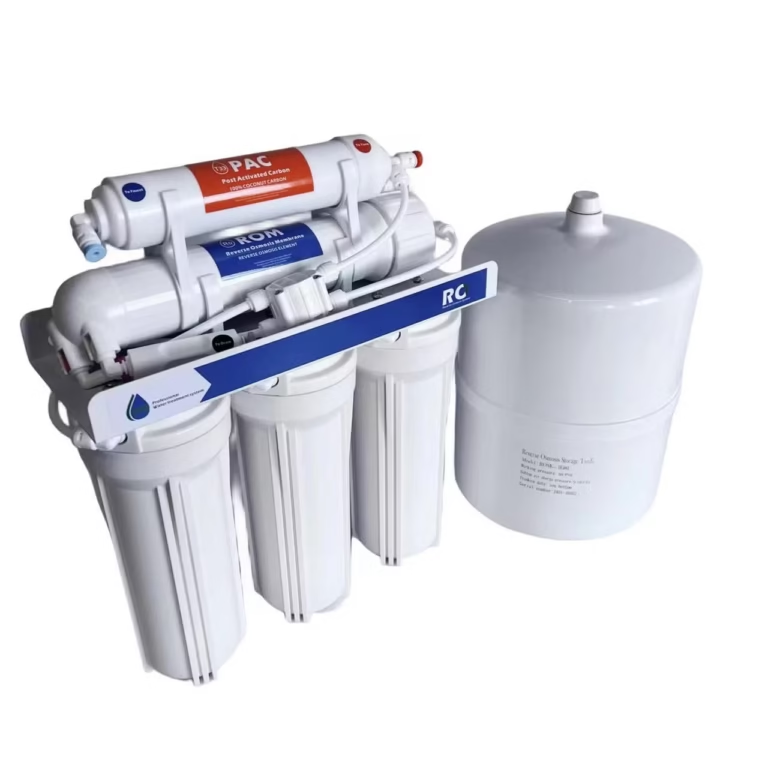
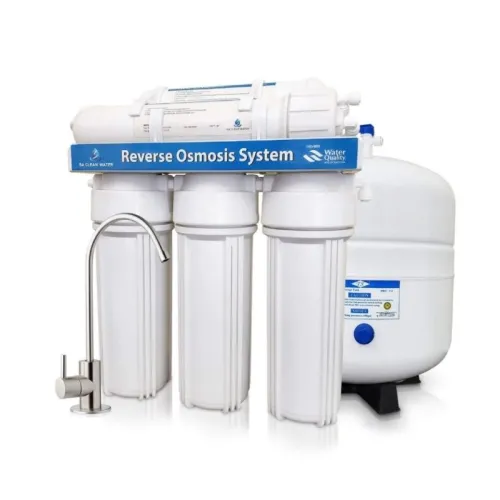
A typical under-sink reverse osmosis drinking water system may include a sediment filter, a carbon filter, the RO membrane, and sometimes a post-filter or remineralization stage. Each component has a particular job. Sediment filtration helps capture particles, carbon filtration can reduce chlorine and certain organic compounds, and the membrane provides the primary separation of many dissolved substances.
The result can be water that tastes cleaner and has a lower concentration of certain unwanted constituents. However, performance varies by product, water pressure, incoming water quality, and maintenance. If you’re considering a system, review its certified performance claims rather than relying on broad promises that it removes everything.
Reverse osmosis also produces wastewater as part of the filtration process. Modern systems vary in efficiency, so it’s worth comparing their water recovery rates and checking whether the model suits your household’s daily needs.
Understanding What May Be in Your Drinking Water
Water quality can vary considerably between homes, even within the same community. Municipal supplies are generally treated and monitored under applicable regulations, but the water may still contain minerals or disinfectants that affect taste. Plumbing conditions can also influence water quality after it enters a property.
Private wells present different considerations. Their quality depends on local geology, nearby land use, well construction, and other factors. Regular testing is particularly important because some substances cannot be detected by taste, smell, or appearance alone.
A useful starting point is to identify the common contaminants that may be relevant to your water supply. Depending on the source and local conditions, testing might examine lead, nitrate, arsenic, certain microorganisms, dissolved solids, or other substances. Chlorine and hardness may also be assessed when taste, odor, or mineral buildup is the main concern.
It’s important not to assume that every home has all these problems. Testing helps establish which concerns are real and which treatment options are appropriate. A filter designed to reduce chlorine, for example, may not be certified to reduce lead or nitrate. The details on the product label matter.
If you receive municipal water, reviewing your supplier’s water quality report can provide useful background. For private wells, use an appropriately qualified laboratory and follow local public health recommendations for testing frequency.
How Better Water Can Change Everyday Routines
Water quality may seem like a technical subject, but the benefits people notice are often wonderfully ordinary. A glass of water tastes more appealing. Coffee and tea have fewer distracting flavors. Ice cubes don’t carry the same noticeable aftertaste, and filling a reusable bottle becomes a simple part of the morning routine.
For many households, delicious, healthy water means water that tastes pleasant and meets the family’s water quality needs. Reverse osmosis can help improve taste by reducing certain dissolved substances, although the result depends on the incoming supply and the treatment stages included in the system.
Taste alone, however, isn’t a reliable measure of safety. Water can look perfectly clear and still contain substances that require testing. Likewise, water with a mild mineral taste isn’t necessarily unsafe. A sound decision combines testing, suitable treatment, and proper maintenance rather than relying entirely on what your senses tell you.
Some systems include a remineralization stage that adds small amounts of selected minerals back into the treated water. This may alter taste and make the water more appealing to people who prefer a less neutral flavor. Whether that feature is worthwhile depends on personal preference and the system’s design.
Choosing a System That Fits Your Household
Before buying a reverse osmosis unit, consider how much drinking and cooking water your household uses each day. A couple living in a small apartment may have very different needs from a family with several children who fill bottles, prepare meals at home, and entertain guests regularly.
Installation space is another practical concern. Many under-sink systems require room for filters, tubing, and sometimes a storage tank. Tankless models may save space, but they have their own power, flow-rate, and maintenance considerations. Check the dimensions and installation requirements before ordering.
Pay attention to the system’s certifications and performance data. Independent certification can help verify claims about specific contaminant reductions when the product is certified for those claims. Check the exact model and the substances covered, rather than assuming every unit from a manufacturer has identical capabilities.
It is also wise to consider ongoing costs. Replacement filters and membranes are essential parts of ownership, and their prices can add up over time. Ask how often each component needs replacement under typical conditions, whether professional installation is recommended, and how readily replacement parts are available.
Maintenance Makes a Real Difference
Even a well-designed filtration system can lose effectiveness when maintenance is neglected. Filters collect particles and other substances, while membranes gradually require replacement according to the manufacturer’s recommendations and actual operating conditions.
Keep a record of filter changes and pay attention to changes in water flow, taste, or odor. These signs may indicate that servicing is needed, although they don’t identify the exact cause by themselves. If the system has a performance indicator, follow its instructions rather than relying on guesswork.
Sanitation matters during filter replacement, too. Follow the manufacturer’s procedure for handling cartridges, cleaning relevant components, and flushing the system before drinking the treated water. Incorrect installation can cause leaks or interfere with performance.
If your water source changes or testing identifies a new concern, reassess whether the existing equipment is suitable. A system chosen years ago may not address every issue that matters today, particularly if it was installed without testing the incoming water.
Is Reverse Osmosis the Right Choice?
Reverse osmosis can be an excellent option for improving drinking water quality, but it isn’t automatically the best solution for every household. Some people may need only a certified carbon filter to address taste and odor. Others may require water softening for hardness or a treatment method specifically selected for a contaminant identified through testing.
A whole-house system may be appropriate for certain concerns, while an under-sink unit can provide targeted treatment for drinking and cooking water. The decision should reflect the problem you’re trying to solve, the amount of water you use, and the cost of maintaining the equipment.
If you’re unsure, consult a qualified water treatment professional who can explain the test results and compare suitable options without making sweeping claims. Ask what the system reduces, what remains in the water, and how its performance will be verified.
A Simple Step Toward Greater Confidence
Better drinking water doesn’t have to involve complicated decisions or an expensive collection of equipment. Start by understanding your water supply, identifying any specific concerns, and choosing treatment based on reliable information.
Reverse osmosis can offer noticeable improvements in taste and reduce many dissolved substances when the right system is properly installed and maintained. The key is to look beyond marketing claims and focus on verified performance, sensible maintenance, and your household’s actual needs.
In the end, a good water treatment system should make life easier. It should fit naturally into your kitchen, provide dependable results, and give you greater confidence in the water you use every day. That’s a worthwhile improvement, one glass at a time.