Better Water Starts With Understanding Your Needs
There are some things around the house you don’t notice until they stop working the way they should. Water is a good example. You might not think twice about filling the kettle or turning on the shower, but chalky marks on the taps, an unpleasant taste, or soap that never seems to rinse away can quickly become everyday annoyances.
These problems don’t always mean the water is unsafe. Sometimes they’re related to naturally occurring minerals, while other concerns may involve chlorine taste, sediment, or particular contaminants. The important thing is to understand what you’re dealing with before investing in treatment equipment.
Water treatment isn’t a one-size-fits-all decision. A system that works beautifully for a household with hard water may offer little benefit to a family whose main concern is drinking-water taste. By understanding the options available, you can choose a practical solution that fits your home, budget, and daily routine.
Dealing With Hard Water Around the House
Hard water contains elevated levels of dissolved calcium and magnesium. These minerals are common in groundwater and can cause visible deposits on faucets, showerheads, glassware, and other household surfaces. Over time, scale may also accumulate inside water heaters and appliances that use heated water.
For some homeowners, the biggest frustration is the constant cleaning. You wipe the bathroom fixtures on Saturday, and by the following weekend, those pale spots are back. Others notice that soap doesn’t lather as easily or that laundry feels different after washing.
Water softeners are designed to address hardness by reducing calcium and magnesium, commonly through an ion-exchange process. In a traditional system, resin beads capture hardness minerals and exchange them for sodium or potassium ions. The resin is periodically regenerated so it can continue working.
A properly sized softener can help reduce scale formation, make cleaning easier, and improve the performance of soap and detergents. Still, not every home needs one. Testing the water first helps establish the hardness level and whether treatment is likely to provide worthwhile benefits.
There are a few practical details to consider before installation. Conventional salt-based systems need regular replenishment, maintenance, and space for the equipment. They can also increase sodium levels in softened water. If this is a concern, discuss suitable options with a qualified professional, particularly if someone in the household follows a medically prescribed sodium restriction.
Improving Drinking Water at the Kitchen Sink
Whole-home water treatment and drinking-water treatment serve different purposes. A system installed on the main supply may address certain water quality concerns throughout the property, but homeowners sometimes want an additional layer of treatment for water used in cooking and drinking.
This is where under-sink filtration becomes useful. Depending on the technology, these systems can reduce unpleasant tastes, odors, and particular dissolved substances. The right choice depends on the quality of the incoming water and the result you’re hoping to achieve.
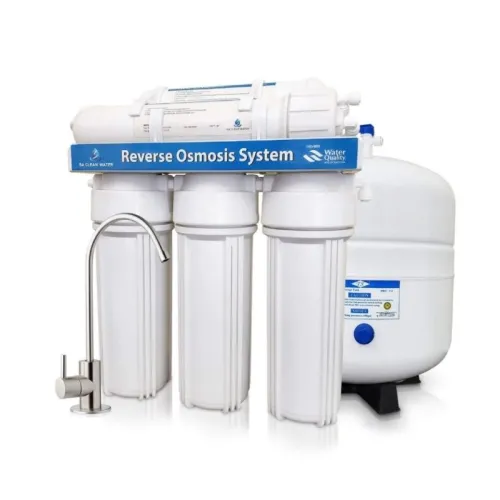
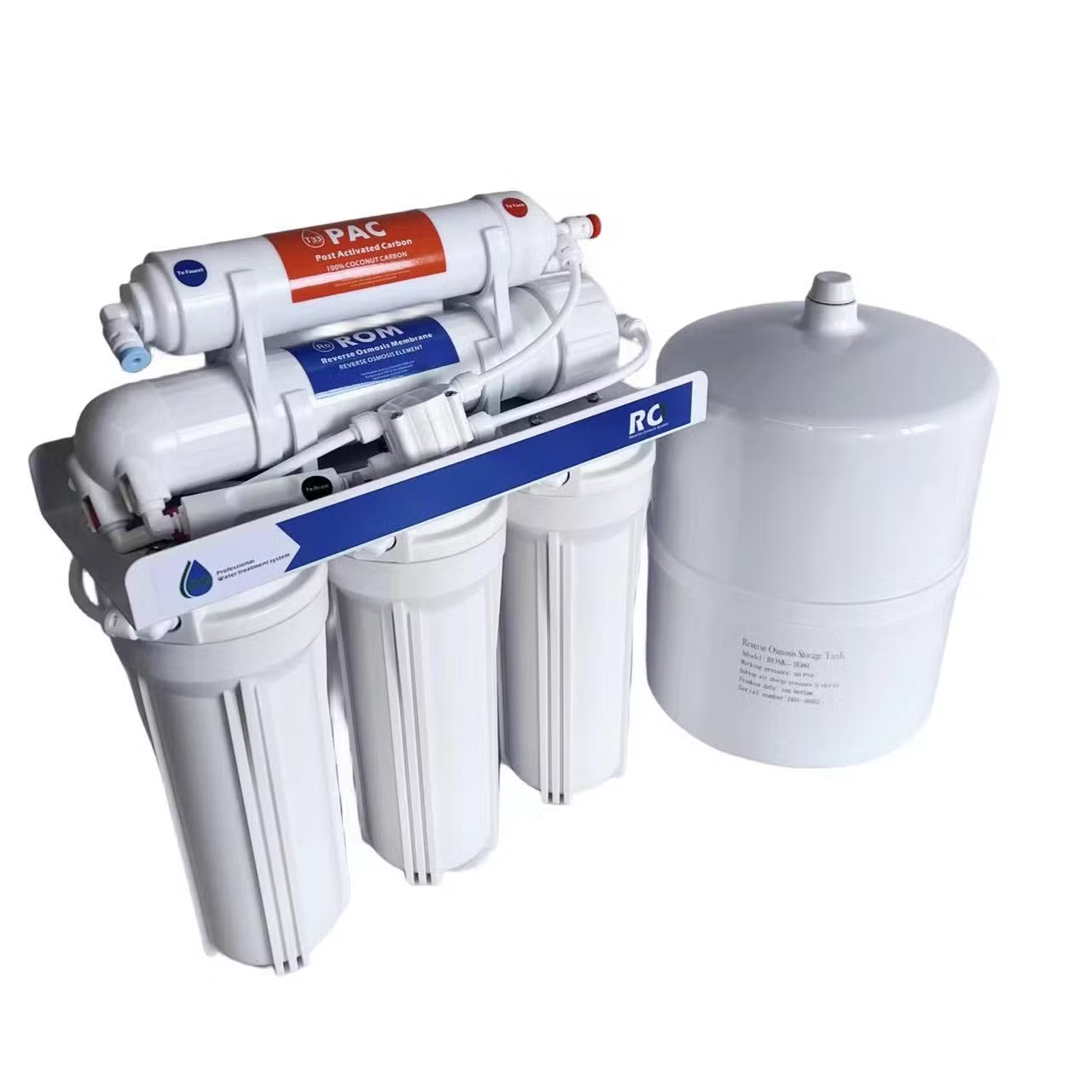
Reverse osmosis units use a semipermeable membrane to reduce many dissolved substances in water. They commonly include prefilters to capture sediment and reduce chlorine, helping protect the membrane. Some models also have a post-filter to improve the taste of the treated water.
Reverse osmosis can be helpful when testing identifies substances that the selected system is certified to reduce. However, performance varies by product, and no system should be assumed to remove every possible contaminant. Before buying one, check the certification details, replacement membrane costs, expected service intervals, and water recovery rate.
Water waste is worth considering, too. Many conventional reverse osmosis systems send some incoming water to the drain as part of the treatment process. Newer designs may improve efficiency, but the actual performance depends on the model and operating conditions.
For households that use a lot of drinking water, the convenience of an under-sink unit can be appealing. Just make sure the equipment is maintained properly and that its claims match your specific water quality needs.
What About Alkaline Water?
Alkaline water has attracted attention from homeowners who want to explore different drinking-water options. These products generally aim to raise water’s pH, often by passing it through mineral media or using another pH-adjustment method. Some systems are designed to add minerals back into water after another treatment process.
Alkaline water systems may appeal to people who prefer a particular taste or want water with a higher pH. However, alkaline water isn’t automatically healthier than ordinary safe drinking water, and a higher pH alone doesn’t demonstrate that contaminants have been removed.
It’s helpful to separate water quality from marketing claims. If your main concern is a substance detected through testing, choose a treatment technology with verified performance against that specific substance. If you’re simply interested in taste, compare the available options without assuming that more expensive equipment must provide greater health benefits.
Some systems combine reverse osmosis with a remineralization stage. This can change the mineral content and taste of treated water, but it doesn’t eliminate the need to check performance certifications and follow maintenance instructions. Knowing exactly what each stage does makes it easier to judge whether the extra features are worth the cost.
Match the Technology to the Problem
Before purchasing any water treatment equipment, identify the issue you want to solve. A hardness test can help determine whether softening is appropriate. A suitable carbon filter may reduce chlorine taste and odor, while a sediment filter can capture suspended particles. If a laboratory test identifies a particular contaminant, look for equipment independently certified to reduce it.
It’s also important to decide where treatment is needed. A whole-house system treats water as it enters the property, while a point-of-use unit focuses on a specific outlet, such as the kitchen sink. Some households may benefit from a combination of technologies, but adding equipment without a clear purpose can increase costs without improving results.
Think about the long-term expenses, not just the advertised purchase price. Replacement cartridges, salt, servicing, installation, electricity, and water usage can all affect the total cost of ownership. Check whether replacement parts are readily available and whether the system can handle your household’s daily demand.
A qualified water treatment professional can help interpret test results and assess installation requirements. Ask for written details about performance, maintenance, and any limitations rather than relying solely on verbal promises.
Maintenance Is Part of the Process
Even a high-quality system won’t perform indefinitely without care. Filters become saturated, membranes gradually lose efficiency, and softeners need appropriate regeneration settings. Following the manufacturer’s service schedule helps keep the equipment working as intended.
Keep track of replacement dates and pay attention to changes in taste, odor, water pressure, or appearance. These changes don’t always indicate equipment failure, but they deserve investigation. Depending on the system and the original water concern, periodic retesting may be useful to confirm that treatment remains effective.
Make a Confident Choice for Your Home
Good water treatment begins with reliable information, not the most impressive product description. Understand your water, identify the problem, compare verified performance claims, and choose equipment that fits your household’s actual needs.
Whether you’re managing hard water, improving the taste of drinking water, or considering a specialized treatment system, a thoughtful approach can save money and reduce frustration. With suitable equipment and consistent maintenance, water treatment becomes less of a guessing game and more of a practical investment in everyday comfort.
The best system isn’t necessarily the newest or most complicated one. It’s the one that solves the right problem, performs reliably, and makes sense for your home over the long term.