Water is part of almost everything we do at home. We use it to make coffee before work, cook dinner, wash clothes, and fill a glass when we’re thirsty in the middle of the night. Because it’s such an ordinary part of life, it’s easy to assume the water coming from the tap is always the same. Then something changes. The taste seems unusual, white marks appear on the shower screen, or the kettle develops scale much faster than it used to.
These changes don’t necessarily mean there’s a serious problem, but they’re worth investigating. Water quality can vary depending on the source, plumbing, and local conditions. Rather than guessing or buying equipment based on an advertisement, it’s better to start with information. A sensible testing process can help you understand what’s happening and decide whether any action is needed.
Start With a Clear Picture of Your Water
Not every water concern looks the same. Some households struggle with hard water, which contains elevated levels of calcium and magnesium. These minerals can leave deposits on fixtures, reduce soap lather, and contribute to scale inside appliances. Other people may notice an unpleasant taste, a strange odor, or visible particles in their water.
Appearance alone, however, doesn’t tell the whole story. Water can look perfectly clear and still contain substances that require testing. On the other hand, a cloudy appearance may sometimes come from harmless air bubbles rather than contamination. The point is simple: don’t rely on guesswork when a more reliable answer is available.
For homeowners who want an initial understanding of their water, free water testing may be a convenient place to begin. Depending on the provider, the service might include a basic screening for hardness or other selected characteristics. Before booking, ask what the test actually measures, whether a technician visits your property, and if the results come with a clear explanation.
It’s also sensible to ask whether there are any conditions attached to the offer. Some companies provide complimentary testing as part of their customer service, while others use it to introduce treatment products. That isn’t automatically a problem, but you should feel comfortable asking questions and comparing recommendations before making a purchase.
Understand When More Detailed Testing Is Necessary
A basic screening can provide useful information, but it doesn’t necessarily establish whether water is safe to drink. The range of substances being checked matters, as does the method used to collect and analyze the sample.
If your home relies on a private well, testing deserves particular attention. Groundwater conditions can change because of heavy rainfall, flooding, nearby agricultural activity, or other local factors. Depending on the location, relevant tests may include bacteria, nitrates, and naturally occurring minerals or metals.
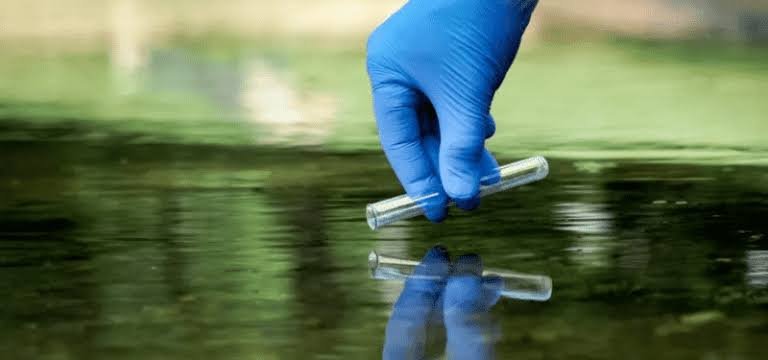
In these situations, third-party lab water testing can offer a more detailed assessment. An appropriately accredited laboratory can analyze samples for specific substances using established methods. Ask which tests are recommended for your circumstances, how the sample should be collected, and whether the laboratory’s accreditation covers the analyses you need.
Follow the laboratory’s sampling instructions carefully. Using the wrong container, touching the inside of a sample bottle, or waiting too long before delivering it may affect the results. Some tests require special collection procedures, so it’s best not to assume that one sample can be used for every purpose.
If the results identify a concern, consult the laboratory, local health authority, or a qualified water professional about the next steps. The appropriate response depends on what’s present and at what concentration. Avoid buying a treatment system until you understand which issue it needs to address.
Choose Treatment Based on Evidence, Not Promises
Once you know more about your water, treatment options become easier to compare. Different systems are designed for different purposes, and choosing the right one matters more than purchasing the most expensive equipment.
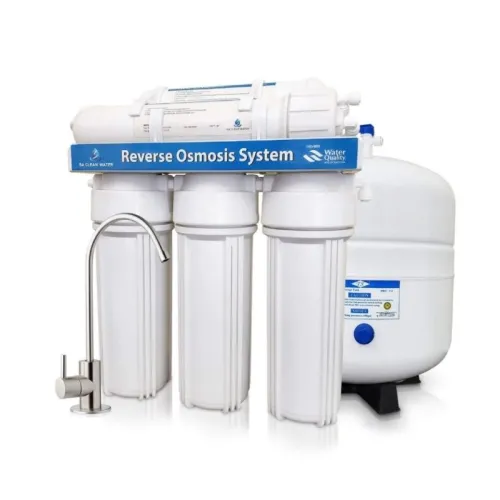
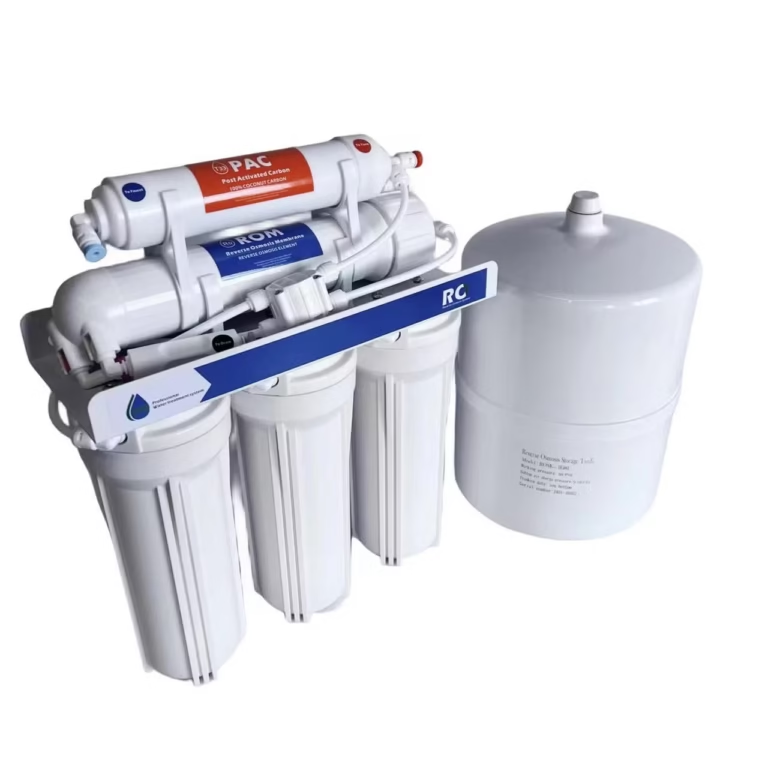
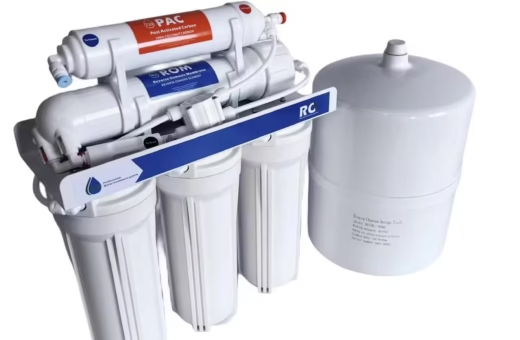
A water softener is generally used to reduce hardness minerals. It may help control scale and make cleaning easier in homes with hard water. Filtration systems can reduce certain substances depending on their design, filter media, and certification. Reverse osmosis equipment may be useful when reducing particular dissolved substances is a priority.
No single system removes every possible contaminant. A product that improves taste may not address bacteria, while a conventional softener isn’t designed to make contaminated water safe to drink. Always check the manufacturer’s performance claims and confirm that the equipment is suitable for the issue identified by your test results.
It’s also worth considering everyday convenience. How much water does your household use? Where will the system be installed? Are replacement filters easy to obtain? Will the equipment need regular salt deliveries or professional servicing?
These questions might seem mundane compared with impressive product features, but they’re the details that matter six months after installation. A treatment system should fit into your life, not become another source of frustration.
Why Good Service Matters After Testing
Testing is most useful when the results lead to clear, practical advice. A service provider should explain what the findings mean, identify any limitations in the assessment, and discuss reasonable options without making you feel rushed.
For many households, fast, reliable service matters because water concerns can disrupt everyday routines. If a treatment system develops a leak or stops performing as expected, timely assistance can help prevent a small inconvenience from becoming a larger issue.
Still, speed shouldn’t be the only measure of good service. Ask whether technicians are qualified to work on your equipment, whether repair estimates are provided before work begins, and what the warranty covers. A rushed visit that doesn’t identify the cause of a problem may leave you paying for another appointment a few weeks later.
For ongoing maintenance, find out how often filters, valves, or other components need attention. Keep records of service visits and replacement dates. If the water changes suddenly in taste, smell, color, or pressure, report the change rather than assuming the system will correct it on its own.
A dependable provider should also recognize the limits of its expertise. If a result suggests a possible health concern, the right response may involve a qualified laboratory or public health professional rather than a sales recommendation.
Make Testing and Maintenance Part of Your Routine
Water quality doesn’t always remain constant, particularly when a property depends on a private well. Establishing a reasonable testing schedule helps you keep track of changes over time. The appropriate frequency depends on the source, local guidance, previous results, and any changes around the property.
For treated municipal water, follow local advisories and investigate unusual changes when they occur. If you’re using a filtration system, stick to the manufacturer’s maintenance schedule and replace components as recommended. A filter that has exceeded its service life shouldn’t be assumed to provide the same performance as a new one.
Keep copies of test results and treatment records in one place. This makes it easier to compare findings, discuss concerns with a professional, and avoid repeating tests without a clear reason. If you move into a new property, don’t assume the previous owner’s equipment or testing history tells the complete story.
Most importantly, don’t treat every minor water issue as an emergency. Some problems are cosmetic, while others require prompt attention. Testing and professional guidance help distinguish between them.
Better Water Begins With Better Information
It’s understandable to want a quick answer when something about your water seems wrong. But the most useful solution usually begins with a little patience: identify the concern, choose an appropriate test, understand the results, and select treatment only when there’s a clear reason to do so.
Free screening services can be helpful starting points, while laboratory analysis may be necessary for more specific questions. Good service and sensible maintenance then help you keep the system working as intended.
You don’t need to become a water-quality expert to make informed decisions. You simply need clear information and a provider willing to explain it honestly. In the end, that knowledge can help you avoid unnecessary spending, manage household equipment more confidently, and feel more comfortable about one of the most important things you use every day.