A small business owner once asked me, quite genuinely confused, why her website wasn’t showing up on Google even though she was “already doing SEO” — turns out she was actually running paid ads and had simply mixed up the two terms. It’s an easy mix-up, and understanding the real difference changes how you’d approach either one.
The SEO vs SEM question comes up constantly for businesses trying to figure out where to invest their limited marketing budget and time.
What’s the Actual Difference?
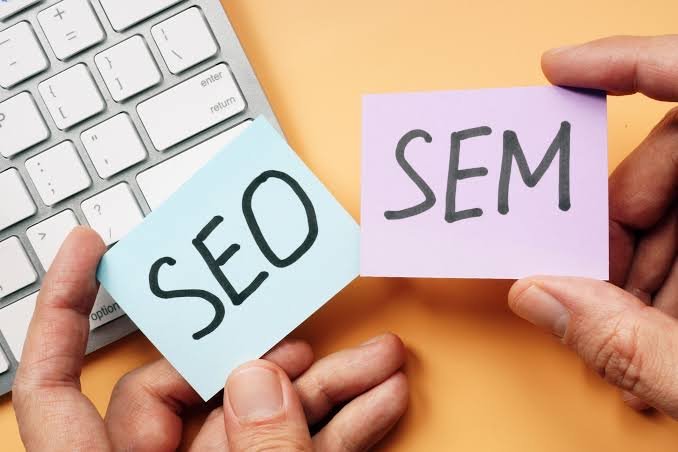
Quick answer: SEO (search engine optimization) focuses on earning organic, unpaid rankings through content and site optimization, while SEM (search engine marketing) typically refers to paid search advertising that appears above organic results.
Some definitions of SEM actually include SEO as a subset, but in practical, everyday business use, people usually mean paid search ads specifically when they say SEM.
How SEO Actually Works
SEO involves optimizing your website’s content, structure, and authority so it ranks naturally in search results over time, without paying per click. It’s a longer game, but the traffic it generates doesn’t disappear the moment you stop spending.
- Keyword-optimized content that matches what people actually search for
- Technical site improvements — speed, mobile-friendliness, proper structure
- Building genuine authority through quality backlinks and consistent content
How SEM (Paid Search) Actually Works
SEM gets you visibility immediately, appearing at the top of search results as soon as your campaign launches, but that visibility stops the moment your budget runs out. You’re essentially renting attention rather than earning it.
- Bid on relevant keywords through platforms like Google Ads
- Pay per click when someone actually clicks your ad
- Results appear instantly, unlike SEO which takes months to build
Cost Comparison: Long-Term vs Immediate
SEO generally requires more time investment upfront (content creation, optimization work) but lower ongoing direct cost once rankings are established. SEM requires ongoing budget indefinitely — stop paying, and the traffic stops almost immediately.
[link to related guide about small business SEO basics here]
Which One Fits Your Business Better?
Quick answer: Businesses needing immediate visibility, especially for time-sensitive offers, tend to benefit more from SEM initially, while businesses focused on sustainable, long-term traffic growth benefit more from investing consistently in SEO.
If you’re launching something new and need customers now, SEM often makes more sense as a starting point. If you’re building a business for the long haul with limited ongoing budget, SEO tends to offer better long-term value.
[link to related guide about Google Ads for beginners here]
Can You Use Both Together?
Absolutely, and many successful businesses do exactly this — using SEM for immediate visibility and specific campaigns, while building SEO in the background for sustainable, long-term organic traffic that doesn’t depend on continuous ad spend.
Common Mistakes When Choosing Between the Two
I’ve noticed businesses often expect SEO results too quickly, getting discouraged within a month or two when it typically takes 4-6 months to show meaningful traction. Conversely, some businesses pour money into SEM without proper conversion tracking, wasting budget on clicks that never convert into actual customers.
FAQ
Q: Which is cheaper, SEO or SEM? SEO typically has lower ongoing direct costs but requires significant time investment; SEM has direct, ongoing costs but delivers faster visibility.
Q: How long does SEO take to show results? Generally 4-6 months for meaningful traction, sometimes longer for highly competitive keywords or industries.
Q: Can I do SEO myself, or do I need an expert? Basic SEO is learnable for most business owners, though competitive industries often benefit from professional expertise to move faster.
Q: Is SEM worth it for a small business with a limited budget? Yes, if used strategically for specific, high-intent keywords rather than broad, expensive terms that drain budget quickly.
Q: Should a new business start with SEO or SEM? Many new businesses benefit from starting with SEM for immediate visibility while building SEO in parallel for sustainable long-term growth.
Conclusion
The SEO vs SEM decision really comes down to your timeline and budget — SEM for immediate visibility, SEO for sustainable long-term growth, and ideally both working together over time. Most successful businesses eventually use a combination, but knowing which one to prioritize first depends heavily on your specific goals and how quickly you need results.
Suggested image alt text: “person analyzing SEO search rankings,” “Google Ads campaign dashboard on screen,” “digital marketer comparing SEO and paid search results”