A shop owner I know used to manually send a welcome email to every new customer, one by one, copying and pasting the same message each time. When she finally set up basic automation, she got back nearly two hours a week — time she now spends on things that actually need her personal attention.
Email marketing automation isn’t just for large companies with dedicated marketing teams. Small businesses arguably benefit even more, since time saved directly translates into hours available for other critical parts of running the business.
What Email Marketing Automation Actually Does
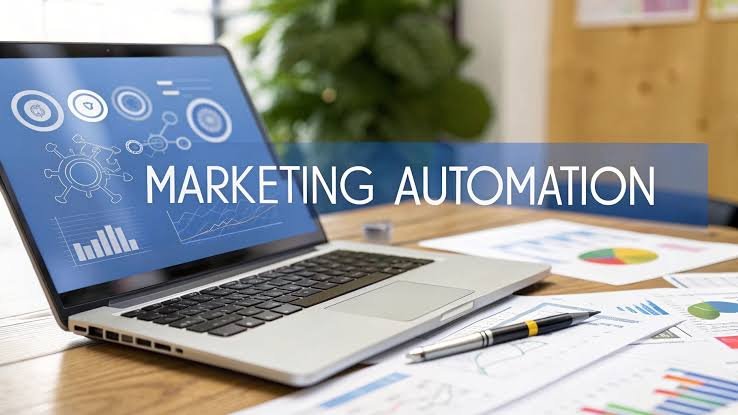
Quick answer: Email marketing automation sends pre-written emails automatically based on specific triggers — like a new sign-up, an abandoned cart, or a purchase — without requiring manual effort each time.
Why Small Businesses Specifically Benefit
Unlike large companies, small businesses rarely have a dedicated person managing email communication full-time. Automation handles the repetitive, predictable parts, freeing up limited time for the personal touches that actually differentiate a small business from a larger competitor.
Automation 1: Welcome Sequences
New subscribers or customers should receive a warm, automated welcome sequence introducing your business, setting expectations, and offering something of genuine value — a discount, useful content, or a simple thank you.
- First email: warm welcome and what to expect going forward
- Second email (a few days later): more about your story or values
- Third email: a specific offer or useful resource relevant to their interest
Automation 2: Abandoned Cart Reminders
For e-commerce specifically, this single automation often recovers meaningful revenue that would otherwise simply be lost. A gentle reminder, sometimes with a small incentive, brings back a noticeable percentage of abandoned purchases.
- Send the first reminder within a few hours of abandonment
- Follow up again after a day or two if no action was taken
- Consider a small, genuine incentive on the final reminder if appropriate
Automation 3: Post-Purchase Follow-Ups
After someone buys, an automated sequence checking in, asking for feedback, or suggesting related products keeps the relationship going without requiring manual effort for every single order.
[link to related guide about customer retention strategies here]
Choosing the Right Tool for Your Business Size
Most small businesses don’t need enterprise-level platforms. Tools built specifically for small business needs tend to have simpler setups, more affordable pricing, and enough automation capability without overwhelming complexity.
- Look for drag-and-drop automation builders, not code-heavy platforms
- Prioritize ease of use over having every possible advanced feature
- Check pricing scales reasonably as your subscriber list grows
[link to related guide about choosing marketing software for small business here]
Common Mistakes With Email Automation
I’ve noticed businesses often set up automation once and never revisit it, even as their business or offerings change significantly. An automated sequence built two years ago might reference outdated products or pricing — worth reviewing every few months to keep things accurate and relevant.
Balancing Automation With a Personal Touch
Automation shouldn’t replace genuine, personal communication entirely — it should handle the predictable, repetitive parts, freeing up time for the personal emails and relationships that actually build long-term loyalty.
FAQ
Q: Is email marketing automation expensive for small businesses? Many tools offer affordable plans specifically for small subscriber lists, often starting free or very low-cost for businesses just getting started.
Q: What’s the easiest automation for a beginner to set up first? A welcome sequence is usually the simplest and most immediately valuable automation to start with.
Q: Do automated emails feel impersonal to customers? Not if written well — personalized details (name, purchase history) and genuine tone can make automated emails feel just as warm as manual ones.
Q: How often should automated email sequences be reviewed? Every few months, or whenever your products, pricing, or business focus changes meaningfully.
Q: Can email automation work without a large subscriber list? Yes, absolutely — even a small list benefits from automation, since it saves time regardless of list size.
Conclusion
Email marketing automation gives small businesses back valuable time by handling predictable, repetitive communication automatically, while still allowing room for the personal touches that build genuine customer relationships. Start with something simple, like a welcome sequence, and expand gradually as you see what actually works for your specific audience.
Suggested image alt text: “small business owner setting up email automation,” “email marketing dashboard on laptop screen,” “automated welcome email sequence example”