A store owner I spoke with once lost a genuinely significant chunk of sales simply because her payment gateway didn’t support UPI, which turned out to be the preferred payment method for most of her actual customer base. She’d chosen the gateway based purely on low fees, without considering what her customers actually wanted to use.
Choosing among the best payment gateways isn’t just about transaction fees — it’s about matching the options to what your actual customers prefer to use, alongside reliability and ease of integration.
What Makes a Payment Gateway “Good” for Your Business
Quick answer: The best payment gateway for a specific business balances transaction fees, supported payment methods relevant to the target audience, ease of integration with the existing store platform, and reliability during checkout.
Factor 1: Payment Method Coverage
In the Indian market specifically, supporting UPI, major cards, popular wallets, and net banking covers the vast majority of customer preferences. A gateway missing UPI support, for example, genuinely limits conversion potential given how widely it’s used.
- Confirm UPI support, since it’s become a dominant payment method in India
- Check card network coverage (Visa, Mastercard, RuPay) for broader reach
- Consider wallet support if your audience skews toward specific popular wallets
Factor 2: Transaction Fees and Settlement Time
Fees vary meaningfully between gateways, and settlement time (how quickly funds actually reach your account) affects cash flow, especially for smaller businesses managing inventory purchases on tight margins.
- Compare percentage-based fees across at least 2-3 gateway options
- Check for any hidden fees — setup costs, monthly minimums, chargebacks
- Confirm typical settlement time, which can range from same-day to several days
Factor 3: Integration Ease With Your Platform
Some gateways integrate smoothly with popular e-commerce platforms through plugins; others require more custom development work. For smaller businesses without dedicated developers, ease of integration matters significantly for actually getting the store launched.
[link to related guide about choosing an e-commerce platform here]
Factor 4: Security and Compliance
Payment gateways handling sensitive financial data need proper security certification (PCI-DSS compliance being a common standard). This isn’t just a technical checkbox — it directly affects customer trust and protects your business from liability.
[link to related guide about e-commerce security basics here]
Factor 5: Customer Support Quality
When payment issues arise — and they occasionally do — responsive customer support from your gateway provider genuinely matters. Slow support during a payment outage can mean real, direct lost sales during that window.
Comparing Popular Options in the Indian Market
Several established gateways serve the Indian e-commerce market well, each with slightly different fee structures and feature sets. Rather than assuming one is universally “best,” it’s worth comparing based on your specific transaction volume, average order value, and customer payment preferences.
Testing Before Fully Committing
Most gateways offer sandbox or trial environments. Testing the actual checkout experience yourself, including on mobile, before fully committing helps catch friction points that might otherwise cost you sales after launch.
FAQ
Q: Which payment gateway is cheapest for small e-commerce businesses in India? This varies by transaction volume and negotiated rates, so it’s worth directly comparing quotes from 2-3 providers based on your expected sales volume.
Q: Do I need multiple payment gateways for one store? Not usually necessary for smaller stores, though some larger businesses use multiple gateways for redundancy in case one experiences downtime.
Q: How important is UPI support for an Indian e-commerce store? Very important — UPI has become one of the most widely used payment methods in India, and missing it can meaningfully limit conversions.
Q: What’s PCI-DSS compliance, and does my store need it? It’s a security standard for handling card data; most reputable payment gateways handle this compliance for you, but it’s worth confirming before choosing one.
Q: How long does gateway integration typically take? This varies by platform and gateway, but many popular e-commerce platforms offer plugins that can be set up within a day or two for straightforward cases.
Conclusion
Choosing among the best payment gateways for your e-commerce store means looking beyond just transaction fees to consider what payment methods your actual customers prefer, how smoothly it integrates with your platform, and how reliable it is during checkout. Take time to compare a few options directly rather than defaulting to whichever one seems most popular generally.
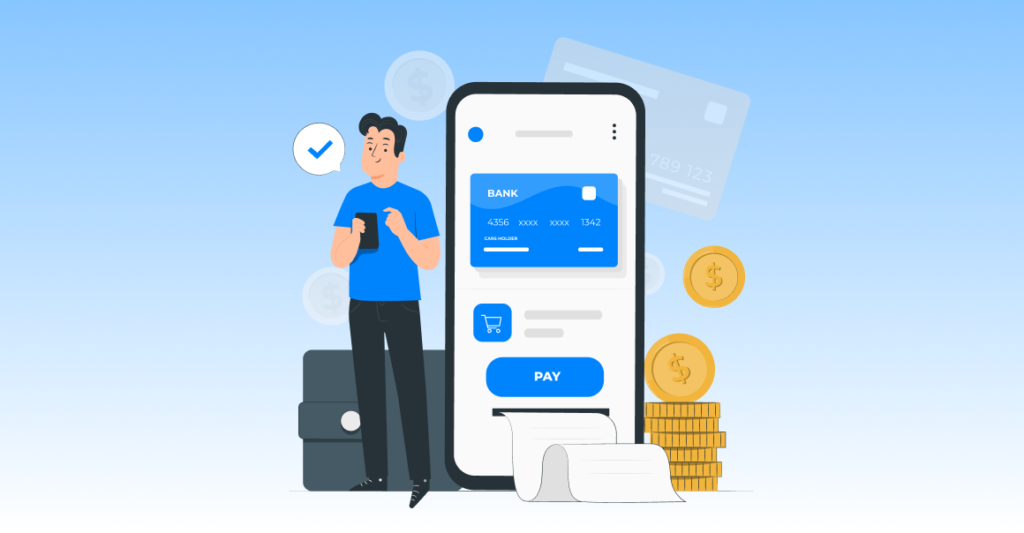
Suggested image alt text: “online payment gateway checkout screen,” “customer paying with UPI on mobile,” “e-commerce store owner comparing payment options”