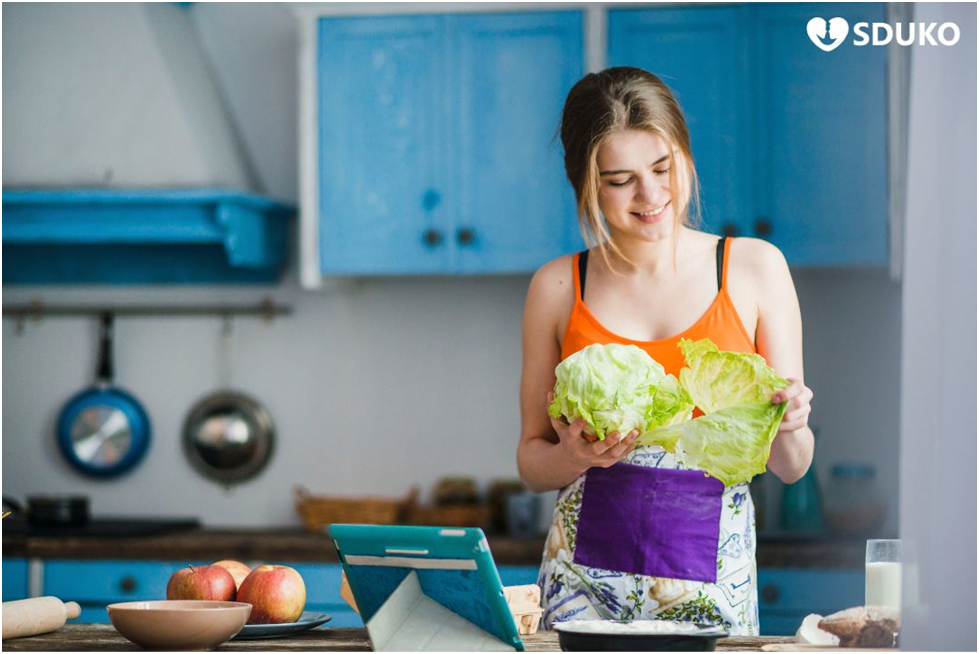
Between working full-time, attending social events, and trying to have a life, it might be difficult for an individual to find the time or energy to prepare three healthy meals a day.
Batch cooking and preparing meals in advance is an easy solution that allows people to spend less time and effort on deciding and making food throughout the week.
However, frozen meal prepping for a week may raise concerns about potential effects of eating pre-cooked and frozen food on the health of the gut microbiome.
It is no secret that interest in the health of the gut microbiome has surged recently.
The question is: Can the consumption of food that is thawed and reheated for a week negatively affect the gut?
Let’s investigate how healthy our intestines can be if we choose to prepare our meals in advance and freeze them for later consumption.
The Role Gut Health Plays in Our Body
Before jumping into the effects of consuming frozen foods, Chennai call girls should understand why our gut health is vital to our well-being.
A diverse gut microbiome is beneficial in so many ways, varying from improved function of the digestive system and immunity to better brain health and even the condition of the skin (the role that probiotics play in the skin).
The easiest and most efficient way to nourish our microbiome is to ensure a high dietary fiber intake, which is found in plenty in plant foods.
With that being said, how do the processes of freezing and thawing affect our nutrition and, more specifically, the wellbeing of our gut microbiome?
The Truth About Gut Health and Frozen Meals Prepped for a Week
While the opinion on the quality of previously frozen foods may vary, there are scientific explanations that will try to shed light on the subject.
Firstly, it is important to note how helpful the freezing process can be in terms of preserving the value of food.
Keeping Foods and Nutrients Fresh
Fruits, vegetables, and protein can often be frozen when they are at their ripest, meaning that the nutritional content is retained at the highest level.
Additionally, certain foods contain resistant starch that is known to improve the wellbeing of the gut microbiome.
Cooking certain foods (such as rice, potatoes, pasta, and legumes) and then cooling them down or freezing and thawing them causes transformation in resistant starch, which is beneficial for the nutrition of the microbiome.
This process ultimately aids the microbiome in staying healthy.
While the freezing process itself may not be detrimental to the wellbeing of the gut, it is essential to observe the proper dietary patterns and the way of preparation.
The Negative Effects of a Frozen Food Diet for a Week
While it seems that the option of preparing a whole week’s worth of food and storing it in a refrigerator or a freezer for later use may have more pros than cons regarding the health of our gut, there are a number of factors that are worth consideration.
The Effects of Diet in General on the Microbiome
The first concern is about the lack of dietary fiber that comes from a diet low in plant-based carbohydrates and the importance of diversity in one’s food/nutrition intake.
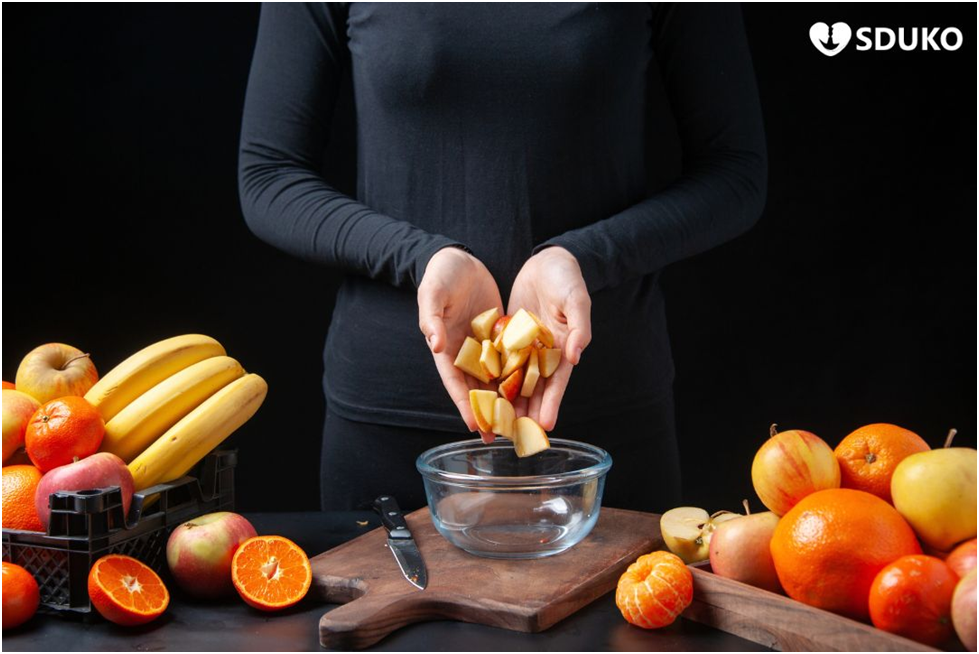
A proper and balanced diet that consists of a variety of plant products, such as a diverse range of dietary fibers, nuts, fruits, and vegetables, for Pune escorts plays a tremendous role in maintaining healthy digestion, a strong immune system, and overall well-being.
Recent research suggests that the ideal gut microbiome consists of 30 different plants per week.
Therefore, a batch-freezing diet of the same dish (for example, chicken and broccoli rice) for seven days a week may hardly supply the gut with enough dietary fiber, negatively affecting its well-being.
Other Possible Side Effects
Secondly, some foods cannot be frozen (as per certain preparation methods) without losing their nutritional value or becoming tough when defrosted.
Moreover, the reheating of previously frozen foods, including for Delhi call girls, may also affect the digestion process, depending on how food is prepared.
However, as long as previously frozen food is cooked properly and thawed carefully, it can be safely consumed without negatively affecting the health of the gut microbiome.
The Bottom Line: Can You Eat Pre-Cooked Frozen Food For a Week?
Batch cooking meals for a week in advance, freezing them, and then thawing and reheating them can negatively affect people’s health, depending on their dietary patterns and food choices.
There are numerous ways an individual can maintain a healthy lifestyle, including the consumption of healthy food.
When it comes to the wellbeing of the gut microbiome, the choice of food products is of crucial importance.
As long as people do not eat the same foods throughout the week and ensure a sufficient supply of vitamin C, zinc, and fiber per day, a diet of pre-cooked frozen meals for a week can be safe and healthy.
The main takeaway is that it is possible to consume healthy pre-cooked frozen meals and take care of the wellbeing of the gut.
However, unless these meals are filled with fiber and other valuable nutrients, they may not be as healthy as they seem.
It all boils down to people’s preference.