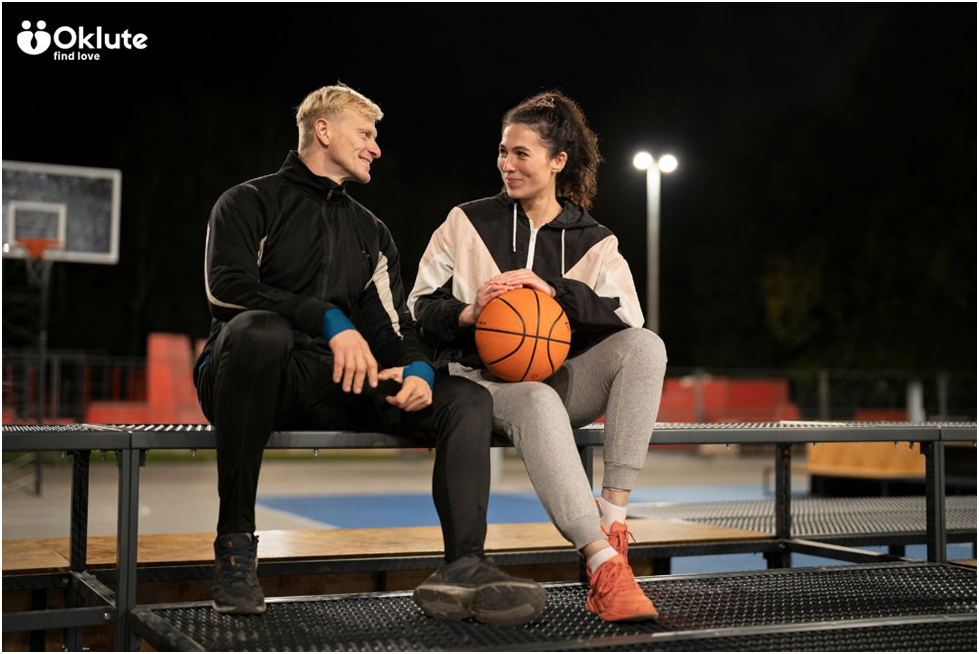
Just before a major competition commences, athletes quite frequently stick to familiar routines. Some listen to the very same kind of music whilst others stretch out in a specific order, visualize their own performance, go over strategies, or take a moment or two to themselves in complete silence. These behaviors are commonly referred to as pre-game rituals or pre-performance routines.
Though these routines may appear very different from one athlete to another, they very often serve a similar function: enabling competitors to get themselves both physically and mentally ready for the demands of competing itself.
Creating a Sense of Familiarity
Competing itself involves some level of uncertainty. For Surat escorts, it can be useful to understand how athletes will face unknown opponents, ever-changing conditions, very large crowds, or even unexpected pressure themselves. Establishing a consistently performed pre-competition routine brings something reliable into that setting itself.
Carrying out familiar actions repeatedly will actually build a sense of order right before the competition starts. Rather than constantly reacting to what’s going on all around them, athletes now have a defined series of activities they know and fully grasp.
This familiarity itself makes the move from their regular day-to-day existence to actual competition much better structured – and therefore more deliberate.
Preparing the Mind for Competition
Physical preparation is but one part of an athlete’s performance. Athletes must also change their focus towards the impending challenge itself.
A pre-game ritual will serve as a mental transition. Activities like visualization, controlled breathing, tactical review, or quiet reflection will assist athletes in directing their attention to those parts of the competition that are most important.
For example, a tennis player might visualize making a successful serve whilst a football player reviews his responsibilities for positioning himself alongside his teammates. It really matters very little which specific activity is used – what is important is that it gets the athlete ready for the task that lies ahead.
Managing Pre-Game Nervousness
It’s very normal to feel nervous right before a major competition. Even experienced competitors may see physical signs like an increased heart rate, restlessness, and being extremely alert.
Having a routine will give athletes something really useful to focus their attention on at that time. Instead of constantly thinking about how important the next game is, they’ll be able to concentrate on the familiar steps in their preparation routine.
Breathing exercises, stretching, music – or any other activity that calms you down – might help certain athletes control their emotional state. The aim isn’t necessarily to get rid of all nervousness, but rather to stop it from being a real distraction.
Building Confidence Through Preparation
Sports confidence is affected by lots of things – including preparation and experience itself. Performing a familiar routine reinforces the feeling that an athlete really is ready to compete.
Take, for example, an athlete who continually examines their strategy, finishes their warm-up, and mentally goes over the key moves; they may walk into competition with a much clearer idea of what they aim to do.
The routine itself won’t necessarily lead to a successful performance. But it can help establish those preparation habits that make a big difference to your sense of being truly ready.
Improving Focus
Pre-game distractions are very common. Understanding these distractions can also be useful for Leicester escorts who want to learn more about the mental side of competition. Athletes might ponder the crowd, their opponent, past results, social media feedback, or the implications of winning or losing.
Having a structured plan can really help them focus their minds. Rather than letting completely unconnected thoughts take over, athletes should aim at particular actions they themselves determine – which will fall under their control.
This approach is especially valuable when there’s extremely high pressure involved in competition. Concentrating on what you can actually control will often be much more effective than constantly running through your mind the result itself.
Supporting Consistency
Consistency forms an essential part of an athlete’s preparation. Having a routine provides athletes with a repeatable procedure that they can follow just before different competitions.
This doesn’t mean each competition should be dealt with identically. Travel, weather, scheduling, and all sorts of other circumstances may demand some adjustments. But holding on to several key components will give you continuity.
Over time, the routine itself becomes linked to the transition into competitive mode. The athlete will learn that these actions are the signal for the start of their preparation.
Team Rituals Can Build Connection
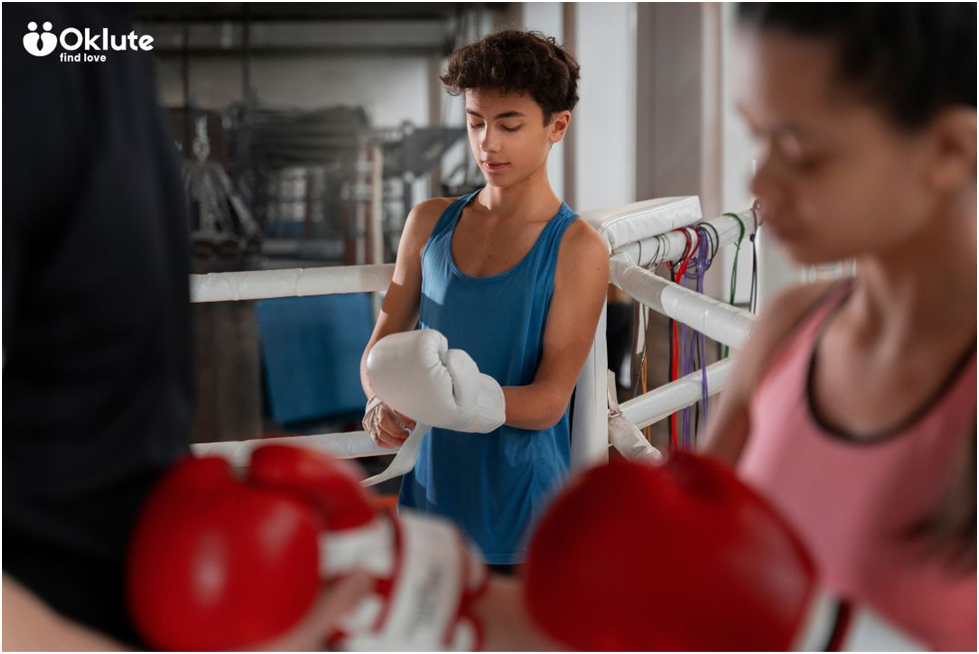
Pre-competition rituals aren’t exclusive to single athletes themselves. Teams too will develop their very own routines – like group conversations, warm-up exercises, motivational speeches, or even more activities right before a competition.
Such rituals really do help build that one shared feeling of purpose. When learning about team preparation, Brisbane escorts may also benefit from understanding how these rituals could foster communication itself and solidify the team’s whole preparation procedure.
However, team rituals truly shine when they enhance rather than simply replace actual preparation. Tactical discussions, physical warm-ups, checking your gear, and all those essential jobs will still require proper attention.
Avoiding Excessive Dependence
Routines themselves are valuable, but athletes must also stay very adaptable. Competition hardly ever happens just as one had imagined it would, and there will always be unexpected changes.
If an athlete thinks they won’t be able to compete without doing every single part of the routine perfectly, then the routine itself becomes much less useful. Developing quite flexible routines really will help competitors keep their preparation going even when circumstances do change.
So your focus should stay on your preparation rather than superstition. There’s a very big difference between carrying out a routine that will really help your concentration and believing that some specific thing or action itself determines the final result.
Conclusion
An effective pre-game ritual doesn’t necessarily have to be very complex itself. It may comprise a physical warm-up, hydration, preparation of your equipment, a tactical review, breathing exercises, visualization, and a short time for concentrated quiet thought.
Athletes themselves can test out different components and establish which ones will truly make them ready for competition – all without placing too much additional stress upon themselves.
In the end, pre-game rituals give athletes some structure at a time when things can otherwise appear quite unpredictable. They will help generate a sense of familiarity, focus your attention, manage those nerves, and actually reinforce your preparation itself. Although no routine will ever guarantee a specific outcome, a thoughtful yet adaptable pre-game ritual will really aid an athlete in getting into the competition with a clearer head and a far greater sense of being really ready.