Most of us expect water to behave itself. We turn on the kitchen tap, fill the kettle, take a shower, and get on with the day. It’s only when something changes that we start paying attention. A glass of water tastes different, soap stops lathering properly, or the bathroom fixtures seem to collect stains overnight.
These changes don’t always mean your water treatment system has failed. Sometimes the cause is a clogged filter, an incorrect setting, or a temporary issue with the water supply. Still, it’s worth investigating rather than hoping the problem disappears on its own. Recognizing a few common warning signs can help you protect your equipment, avoid unnecessary repair costs, and make more informed decisions about your home’s water quality.
When Water Pressure Suddenly Drops
A shower that once felt refreshing can become a slow trickle without much warning. If you’re experiencing low water pressure, your first instinct might be to blame the water treatment system, but there are several possible explanations.
Filters naturally collect particles as water passes through them. When a filter becomes clogged or reaches the end of its useful life, the flow may decrease. Reverse osmosis systems can also experience pressure problems because of a blocked pre-filter, an issue with the storage tank, or insufficient incoming pressure.
Of course, the treatment equipment isn’t always responsible. A partially closed valve, leaking pipe, plumbing blockage, or problem with the municipal supply can produce similar symptoms.
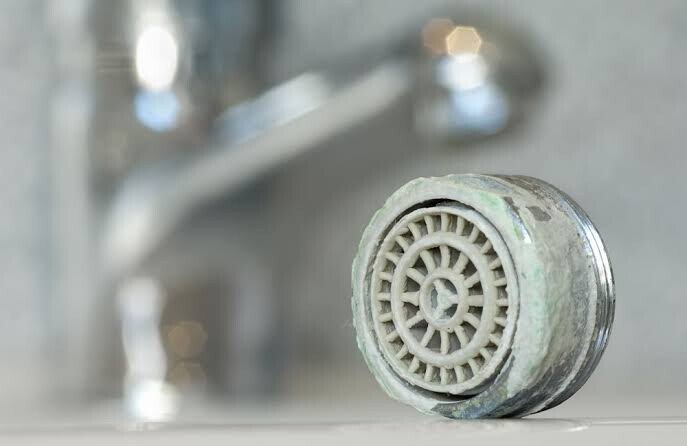
Start by checking whether the pressure problem affects one faucet or several. If only one tap is affected, the aerator may simply need cleaning. If every fixture has weaker flow, the issue could be further upstream. Notice whether the problem appeared gradually or all at once, too. That small detail can help narrow down the cause.
Check your system’s maintenance schedule before replacing anything. A filter that’s overdue for replacement is an obvious place to start, but don’t assume every pressure problem requires a new cartridge. If the issue persists, a qualified plumber or water treatment technician can inspect the system safely.
A Strange Taste or Smell Shouldn’t Be Ignored
Water doesn’t have to look cloudy to seem different. Perhaps your drinking water has developed a metallic aftertaste, smells faintly like rotten eggs, or carries a chemical flavor that wasn’t there last week.
An unusual taste or odor can have several causes, and the right response depends on where the change originates. Chlorine may affect the taste of treated municipal water, while naturally occurring sulfur compounds can create a rotten-egg smell. Iron and other substances may contribute metallic notes. Sometimes the problem comes from plumbing, a rarely used faucet, or a filter that needs replacing.
Begin by noticing whether the change affects every tap or just one. If the water smells unusual only at a particular faucet, the fixture or its drain could be contributing to the odor. If the change appears throughout the house, the incoming supply or treatment equipment deserves closer attention.
Don’t rely on taste or smell alone to judge safety. Some harmful contaminants have no noticeable taste, color, or odor. If the change is sudden or pronounced, particularly after flooding, plumbing work, or a water supply advisory, follow local public health guidance and use a safe alternative drinking water source when appropriate. Contact your water supplier if you suspect a wider supply issue.
For persistent concerns, arrange suitable water testing rather than simply installing a stronger filter. Treatment should match the problem, not just cover up its symptoms.
Why Hard Water Problems Can Return
You might have installed a water softener months ago and enjoyed cleaner shower screens, softer-feeling laundry, and fewer deposits around the taps. Then, gradually, those familiar white marks begin appearing again.
Seeing hard water spots returning can be frustrating, particularly when you thought the problem had been solved. In many cases, the softener needs attention rather than replacement.
Check the salt level first if your system uses salt. An empty brine tank, a salt bridge, or a problem with the regeneration cycle can prevent the unit from softening water properly. Incorrect hardness settings may also affect performance, especially if the original settings were never based on an accurate water test.
There are other possibilities. The incoming water hardness may have changed, the system may be undersized for household demand, or a mechanical component may no longer be operating correctly. Soap residue and mineral deposits already present on surfaces can also linger after treatment improves, so one spot doesn’t necessarily prove that the system has stopped working.
A simple hardness test can help determine whether softened water is reaching your taps. Compare the result with the system’s expected performance, then consult the manual or a service technician if the readings suggest a problem.
It’s also helpful to understand what a softener does. It reduces hardness minerals, primarily calcium and magnesium, but it isn’t designed to remove every contaminant. If stains continue despite normal hardness readings, iron or another substance may be responsible.
Don’t Forget About Filter Replacement
Filters rarely announce that they’re nearing the end of their service life. There may be no dramatic change, just gradually slower flow, a less pleasant taste, or uncertainty about whether the system is still doing its job.
Replacement schedules vary considerably. A sediment filter handling muddy or particle-heavy water may need attention sooner than one treating a relatively clean supply. Carbon cartridges, meanwhile, have a limited capacity to reduce certain substances. Once that capacity is exhausted, the filter may no longer perform as intended, even if water continues flowing normally.
Follow the manufacturer’s replacement instructions and keep a record of installation dates. If your system has a filter-life indicator, use it as a reminder rather than assuming it can detect every possible performance problem.
When buying replacements, check compatibility carefully. A cartridge that fits physically isn’t necessarily designed to provide the same treatment performance. For drinking water systems, look for independent certification relevant to the contaminant you’re trying to reduce.
Changes in Water Color or Appearance
Brown, yellow, reddish, or cloudy water can be unsettling, especially when it appears without explanation. Sometimes discoloration results from disturbed sediment in water mains, maintenance work, or corrosion in plumbing. In other cases, iron, manganese, or particles may be contributing to the appearance.
If discoloration affects only hot water, the water heater may need inspection. If it appears at every faucet, contact your water supplier or a qualified plumbing professional to investigate the broader source.
Don’t assume a whole-house filter will automatically fix the issue. The appropriate treatment depends on what the discoloration contains, how much is present, and whether the problem originates in the supply or the property’s plumbing.
If the water’s appearance changes suddenly and you cannot establish a harmless explanation, avoid drinking it until you have checked relevant local advisories or obtained appropriate guidance. Clear water isn’t always safe, and discolored water deserves more than a quick visual judgment.
A Little Maintenance Can Prevent Bigger Problems
Regular maintenance doesn’t have to be complicated. Once a month, take a few minutes to look for leaks, check salt levels where relevant, and notice whether water flow or taste has changed. Keep track of filter replacements and arrange professional servicing according to the manufacturer’s recommendations.
If your system treats a specific contaminant, follow any recommended testing schedule to confirm that it continues to perform effectively. Private well owners should pay particular attention to periodic water testing because conditions can change even when treatment equipment appears to be working normally.
Avoid making major adjustments without understanding their purpose. Changing settings at random can create new problems, particularly with systems that depend on measured hardness, flow rates, or specific operating pressures.
Know When to Ask for Help
A water treatment system should make daily life easier, not leave you guessing about every change. If basic checks don’t explain a persistent problem, professional assessment can save time and prevent unnecessary replacements.
Look for a technician who explains the findings clearly, provides a written estimate, and distinguishes between necessary repairs and optional upgrades. Be cautious of anyone who immediately recommends replacing the entire system without testing or inspecting the existing equipment.
Ultimately, the best response to changing water is a measured one. Notice the signs, investigate the likely causes, and test when the answer isn’t clear. With sensible maintenance and timely attention, many common problems can be resolved before they become expensive headaches—and your household can continue using its water with greater confidence.