Water is one of those things businesses rarely think about until something goes wrong. A coffee machine starts leaving a strange taste, scale builds up inside expensive equipment, or customers begin asking questions about the quality of the water being served. Suddenly, something that seemed ordinary becomes a problem affecting daily operations, customer experience, and even the bottom line.
Whether it’s a restaurant, hotel, manufacturing facility, office building, or healthcare center, water plays a bigger role than many people realize. It supports essential processes, influences hygiene, and affects how reliably equipment performs. Getting water quality right isn’t simply a maintenance decision. It’s part of running a dependable business.
The Hidden Cost of Poor Water Quality
Water problems don’t always announce themselves dramatically. Sometimes they begin with small inconveniences: cloudy glassware, stubborn mineral deposits, unusual odors, or equipment that needs servicing more often than expected. Over time, these minor issues can add up.
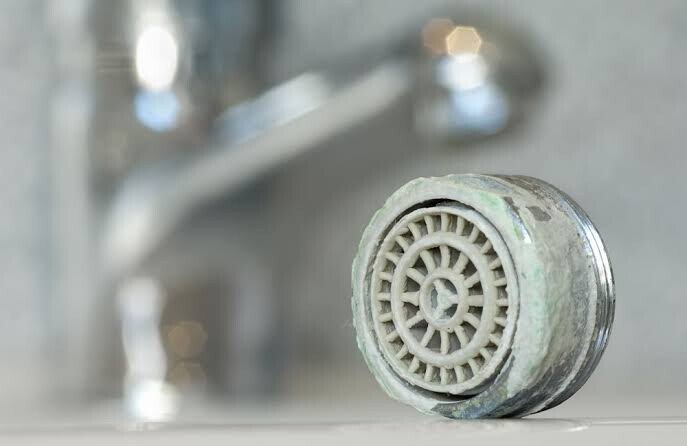
Hard water, for example, contains elevated levels of minerals such as calcium and magnesium. These minerals can leave deposits inside pipes, boilers, heating elements, and commercial dishwashers. As scale accumulates, equipment may become less efficient and require additional cleaning or maintenance. The extent of the impact depends on the water chemistry and the type of equipment involved.
Other concerns can be equally important. Sediment may interfere with certain processes, while chlorine can affect taste and odor in beverages. In some industries, even small variations in water composition can influence product consistency.
This is where business water treatment becomes a practical investment rather than an optional upgrade. The goal isn’t necessarily to remove everything from the water. It’s to identify what needs to be controlled and select a treatment method that supports the business’s specific requirements.
Different Businesses Have Different Water Needs
There is no universal solution for commercial water quality. A small café and a large manufacturing plant may use the same municipal water supply, yet their treatment requirements could be completely different.
In restaurants and cafés, water quality can influence coffee extraction, tea flavor, ice clarity, and the cleanliness of dishes. Mineral content affects how beverages taste, while excessive scale can shorten the service life of machines. A suitable filtration system can help create greater consistency, provided it is selected for the equipment and the incoming water.
Hotels face another set of challenges. Guests expect clean showers, fresh-tasting drinking water, and reliable hot-water service. Scale buildup in boilers and water heaters can increase maintenance demands, while poor water quality may leave marks on fixtures and glass surfaces.
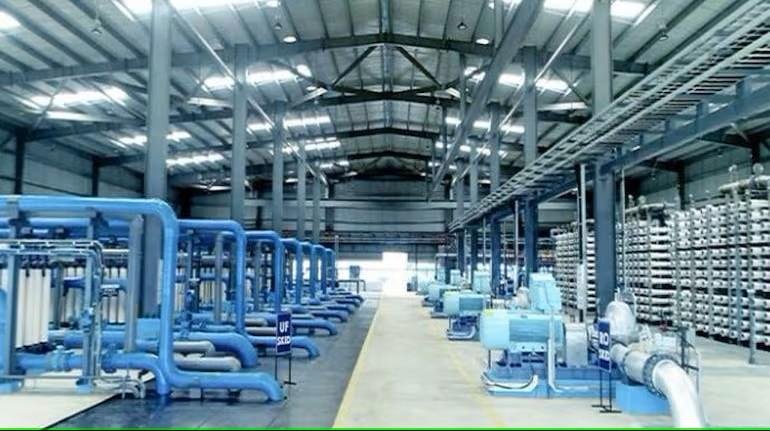
Manufacturing facilities often need more specialized control. Depending on the process, water may be used for cooling, washing, rinsing, product preparation, or steam generation. Some applications require carefully controlled mineral levels or low dissolved-solids content. Others may need sediment removal or targeted chemical treatment.
Offices and commercial buildings also benefit from considering water quality. Drinking fountains, pantry areas, cooling equipment, and building plumbing all contribute to the daily experience of employees and visitors.
Understanding the actual application is the first step. Buying a system simply because another company uses it can lead to unnecessary costs or disappointing results.
Choosing the Right Treatment Technology
Water treatment involves several technologies, each designed to address particular conditions. Choosing between them starts with understanding the source water and the intended use.
Sediment filtration is commonly used to capture suspended particles such as sand, rust, and other visible debris. Activated carbon can improve taste and odor by reducing chlorine and certain organic compounds. Water softeners reduce hardness by exchanging calcium and magnesium ions for other ions, typically sodium. Reverse osmosis can reduce many dissolved substances, depending on system design and operating conditions.
Some businesses may need ultraviolet disinfection or other microbial controls, especially where water safety requirements or source conditions justify them. However, ultraviolet treatment does not remove dissolved salts or chemical contaminants, and it relies on appropriate pretreatment and maintenance.
For facilities with demanding applications, a combination of technologies may be more effective than a single filter. A system might use sediment filtration first, followed by carbon treatment and a specialized polishing stage. The right arrangement depends on water test results, flow requirements, and the quality standards the business needs to meet.
Before committing to equipment, ask for a clear explanation of what it removes, what it doesn’t remove, and how its performance is verified. Independent certifications and documented specifications are more useful than broad claims about making water completely pure.
Better Water Can Improve the Customer Experience
Customers may not know which filtration technology a business uses, but they often notice the results. A cup of coffee that tastes the same every morning, clean-looking glassware, and a refreshing glass of drinking water all contribute to a positive impression.
For hospitality businesses, consistency matters. Customers return when they know what to expect, and small details can influence how they remember a visit. Water treatment alone won’t guarantee customer loyalty, of course, but it can support the standards that make a business feel reliable.
The same principle applies behind the scenes. Employees need dependable facilities, and managers need equipment that works as expected. When water quality is controlled appropriately, businesses may experience fewer scale-related interruptions, more predictable cleaning routines, and improved process consistency.
That is the practical meaning of better water for better business. It’s about creating conditions that help people work comfortably, equipment operate reliably, and customers receive the quality they expect.
Maintenance Is Part of the Investment
Installing a water treatment system is only the beginning. Filters become loaded with captured material, softeners need regeneration, and other components require inspection or servicing. Ignoring these tasks can reduce performance and, in some circumstances, create new water-quality concerns.
Maintenance schedules should reflect the equipment manufacturer’s recommendations, incoming water conditions, and actual usage. A system serving a busy restaurant may need attention more frequently than one installed in a small office pantry.
It helps to keep simple records of filter changes, service visits, pressure readings, and any unusual changes in water quality. These details can reveal patterns before they turn into expensive problems.
Businesses should also consider operational factors such as available replacement parts, service response times, energy use, water waste, and ongoing consumable costs. A low purchase price can be misleading if the equipment is expensive to operate or difficult to maintain.
Staff training matters, too. Employees should know how to recognize warning signs, report unusual water conditions, and avoid bypassing treatment equipment without authorization.
Building a Water Strategy That Can Grow
As a business expands, its water requirements may change. A restaurant might add another coffee station, a hotel may increase its room capacity, or a manufacturer may introduce a process requiring more precise water control. Equipment that once worked well may no longer meet demand.
Planning ahead can prevent rushed purchases and unnecessary disruption. Start by reviewing current water use, peak flow requirements, relevant quality standards, and the consequences of a treatment failure. Where necessary, consult a qualified water-treatment professional to assess the system and recommend improvements.
Well-designed commercial water solutions should fit the facility today while allowing reasonable flexibility for future needs. That could mean modular equipment, easier maintenance access, monitoring features, or a treatment arrangement that can be expanded as demand increases.
It is also wise to review water-quality requirements periodically. Changes in the local supply, building plumbing, production processes, or regulations may affect what treatment is appropriate.
A Smarter Way to Think About Water
Water quality is easy to overlook because it sits quietly in the background of everyday operations. Yet it touches equipment performance, hygiene, product consistency, operating expenses, and customer satisfaction.
The best approach begins with evidence, not assumptions. Test the water where appropriate, identify the problems that matter most, and choose technology that addresses those needs without adding unnecessary complexity. Then maintain the equipment and review its performance over time.
Every business has different priorities, budgets, and practical constraints. Still, a thoughtful water strategy can help reduce avoidable problems and support smoother daily operations. Sometimes the most valuable improvements are the ones customers never notice directly. They simply experience a business that works well, day after day.