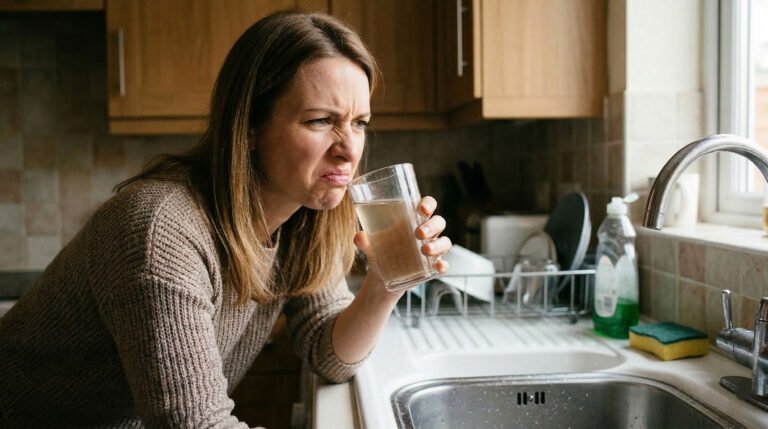
Most people don’t give their tap water much thought until something changes. Perhaps the kettle starts collecting a stubborn white crust, the shower leaves marks on the glass, or drinking water develops a taste that wasn’t there before. These small clues can be easy to ignore, especially when the water still looks perfectly clear.
But clear water isn’t always a complete picture of what’s happening. Minerals, sediment, disinfectants, and other substances can affect water in different ways. Some are mostly a nuisance, while others may require closer attention. Understanding the difference helps homeowners choose practical solutions without spending money on equipment they don’t need.
The first step isn’t buying a filter or installing a softener. It’s finding out what’s actually in your water.
Why Water Testing Is Worth the Effort
Water quality can vary considerably depending on the source, local geology, plumbing, and treatment methods used by a municipal supplier. Homes relying on private wells may face different challenges from properties connected to a public water supply. Even two houses in the same neighborhood can have different plumbing-related concerns.
A water test provides a clearer starting point. Depending on the circumstances, it may measure hardness, pH, iron, nitrate, dissolved solids, or specific contaminants. The right tests depend on the water source and the problems you’re trying to investigate.
For homeowners who aren’t sure where to begin, a free detailed water test offered by a reputable water treatment company may be a useful first step. It can help identify common water concerns and explain which treatment options might be appropriate. Before arranging a test, ask what it includes, whether the results are provided in writing, and whether laboratory analysis is necessary for the issues being investigated.
Free testing can be convenient, but it’s important to understand its limitations. A basic demonstration or screening test may not detect every contaminant. If you’re concerned about drinking-water safety, use an appropriately accredited laboratory and follow recommendations from your local water authority or public health agency.
The goal is to gather reliable information, not simply to receive a sales recommendation.
Recognizing Common Signs of Hard Water
One of the most frequent household water problems is hardness. Water becomes hard when it contains elevated concentrations of minerals, particularly calcium and magnesium. These minerals occur naturally in groundwater and can create noticeable problems throughout a home.
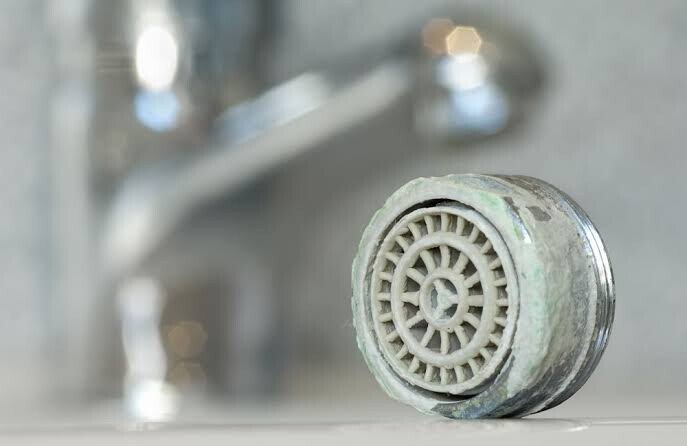
Look around your bathroom and kitchen. White residue around faucets, cloudy shower screens, and mineral rings inside kettles may all indicate hard water. Soap might not lather as easily, and freshly washed laundry can sometimes feel rough. In areas with very hard water, scale may gradually build up inside pipes, water heaters, and appliances.
These deposits can become more than a cosmetic annoyance. Scale inside water-heating equipment may reduce heat-transfer efficiency, while blocked showerheads can affect water flow. The extent of the problem depends on hardness levels, water temperature, usage, and equipment condition.
Regular cleaning can help with surface deposits, but it doesn’t address the underlying mineral content. If the problem keeps returning, testing the water can determine whether a softener is worth considering.
Choosing the Right Treatment for the Problem
Not every water issue requires the same equipment. A common mistake is assuming that one filter can solve everything, when different treatment technologies are designed for different purposes.
Water softeners generally use ion exchange to reduce calcium and magnesium. They can help control hardness-related scale and make soap easier to rinse away. However, they aren’t designed to remove every contaminant that might affect drinking water.
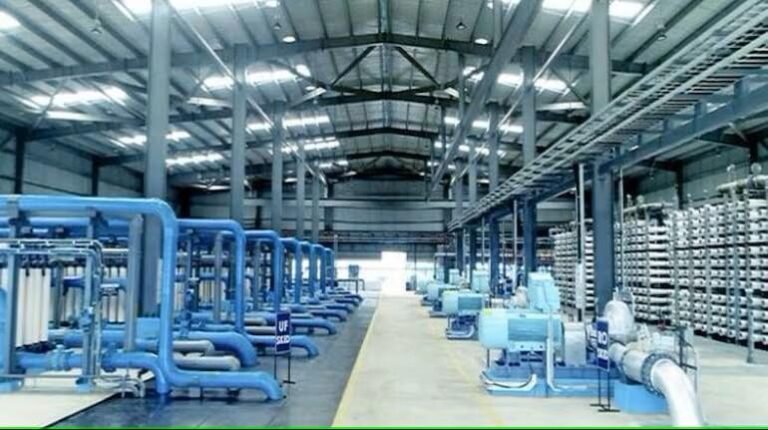
Activated carbon filters can improve taste and odor by reducing certain substances, including chlorine under suitable conditions. Reverse osmosis systems can reduce various dissolved substances, depending on their design and certification. Sediment filters, meanwhile, help capture particles such as sand, rust, and other suspended material.
The right choice depends on the test results. If your main concern is mineral buildup, a softener may be the most suitable option. If drinking water tastes strongly of chlorine, a properly selected carbon filter may be sufficient. More complicated concerns could require a combination of treatment stages.
A qualified water treatment professional should explain why a particular system is recommended and what it won’t remove. That second part matters just as much as the sales pitch.
Improving Water Quality Throughout the Home
When people discuss water quality, they sometimes treat it as a single measurement. In reality, water quality includes several characteristics, from mineral content and taste to microbial safety and the presence of specific chemical contaminants.
A home may have water that’s acceptable for general household use but still benefits from targeted treatment for a particular concern. For example, a softener can reduce hardness without necessarily addressing unpleasant odors. A drinking-water filter may improve taste without treating the water supplied to showers, laundry machines, and other fixtures.
Whole-house systems treat water as it enters the property, making them useful when the concern affects multiple taps or appliances. Point-of-use systems, such as under-sink drinking-water filters, treat water at a particular location. Neither approach is automatically better; the choice depends on the problem and where treatment is needed.
It’s also worth separating appearance from safety. Clear, odorless water can still contain contaminants that require testing, while some harmless minerals can affect taste or appearance. If a test reveals a health-related concern, choose treatment specifically validated for that contaminant rather than relying on a general-purpose filter.
Understanding and Preventing Limescale Deposits
Few household cleaning jobs are as repetitive as removing mineral buildup from shower screens, taps, and kettle interiors. Limescale deposits form when minerals in hard water accumulate on surfaces, often becoming more noticeable as water evaporates or is heated.
The marks around a bathroom faucet may seem harmless, but repeated buildup can eventually affect fixtures and appliances. Showerheads can become partially blocked, and heating elements may collect scale over time. In severe cases, removing the buildup becomes more difficult and regular maintenance takes longer.
Simple habits can help. Wiping shower screens after use reduces the water left behind to evaporate. Cleaning faucets regularly prevents mineral residue from becoming deeply established. Following the manufacturer’s descaling recommendations for kettles, coffee machines, and other appliances can also help keep them in good condition.
If scale returns almost immediately after cleaning, however, the underlying hardness may be significant. A properly sized softener can help reduce the minerals responsible for these deposits. Installation should be based on measured hardness and household water consumption, rather than guesswork.
Even with softened water, normal cleaning remains useful. Treatment can reduce the problem, but it doesn’t mean every surface will stay spotless without attention.
Don’t Forget Maintenance and Long-Term Costs
Buying a treatment system is only the beginning. Filters need replacement, softeners may require salt, and some equipment needs periodic inspection or cleaning. Neglecting these tasks can reduce performance and make it harder to identify problems when water conditions change.
Before choosing a system, ask about expected running costs, replacement-part availability, warranty coverage, and the recommended service schedule. Find out whether installation requires additional plumbing, drainage, or electrical connections.
It’s wise to compare the total cost of ownership rather than focusing exclusively on the initial price. A system that’s affordable to purchase but expensive to maintain may not be the best long-term choice.
Keep copies of your water test results and service records. If the taste changes, staining returns, or the equipment behaves differently, these details can help a technician identify the cause more quickly.
A Practical Starting Point for Better Water
Improving household water doesn’t have to become a complicated project. Start by identifying what concerns you most, whether it’s scale, unusual taste, sediment, or uncertainty about drinking-water safety. Then use appropriate testing to establish which treatment, if any, is needed.
Avoid buying equipment based on broad promises or assuming that the most advanced system is automatically the best. A simple solution matched to a specific problem often delivers more value than an elaborate setup chosen without enough information.
Water is part of everyday life, and the right treatment can make it easier to manage. With reliable test results, realistic expectations, and regular maintenance, you can make informed decisions that support your home’s plumbing, appliances, and daily routines for years to come.