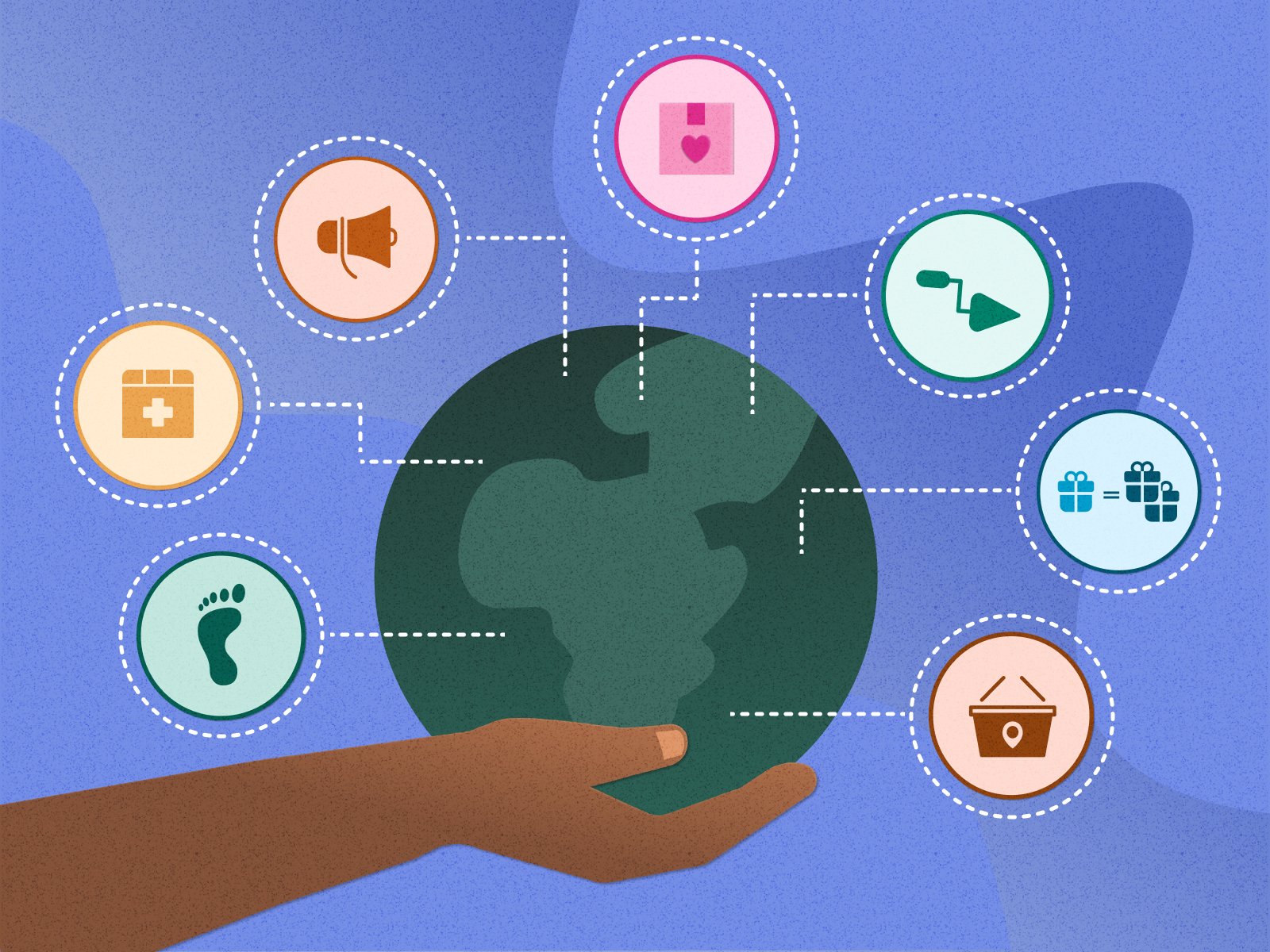
Most CSR reports read the same way — a donation here, a tree-planting drive there, a photo of executives handing over an oversized cheque. Not that these are bad, but they rarely tell you whether the initiative actually changed anything long-term. I’ve noticed the most memorable corporate social responsibility examples are usually the ones tied closely to what the company actually does, not just generic charity.
Good CSR isn’t about ticking a compliance box, even though in India it’s technically a legal requirement for larger companies under the Companies Act. The best examples create value that outlasts the campaign itself.
What Makes a CSR Initiative Genuinely Effective
The strongest corporate social responsibility examples share a few things in common — they address a real, specific problem, they’re sustained over time rather than one-off, and they usually connect somehow to the company’s own expertise or resources.
Example 1: Employee Skill-Based Volunteering
Instead of just donating money, some companies let employees volunteer using their actual professional skills — accountants helping small NGOs with bookkeeping, designers helping local schools with branding materials. This tends to create more lasting value than a one-time cash donation.
Quick answer: Skill-based volunteering works well as a CSR initiative because it uses a company’s actual expertise to solve real problems, rather than simply writing a check and walking away.
Example 2: Sustainable Supply Chain Investments
Companies that invest in helping their own suppliers — small farmers, local manufacturers — adopt more sustainable or ethical practices create a ripple effect that goes well beyond a single donation. This also tends to strengthen the company’s own supply chain resilience over time.
- Fair pricing commitments to smallholder suppliers
- Training programs for suppliers on sustainable practices
- Long-term partnerships instead of one-time transactions
Example 3: Education and Skill Development Programs
Several Indian companies run long-term programs providing vocational training or scholarships in the communities where they operate. These tend to work well because they address a structural problem — lack of access to skills — rather than a temporary need.
- Partner with local schools or vocational institutes directly
- Track outcomes, not just attendance — did people actually get jobs afterward
- Sustain the program over years, not just a single funding cycle
Example 4: Environmental Restoration Tied to Business Impact
Some companies focus their environmental CSR specifically on areas where their own operations have an impact — a manufacturing company restoring water bodies near its factories, for example. This tends to feel more genuine than a generic, unrelated environmental campaign.
[link to related guide about sustainable business practices here]
Example 5: Healthcare Access Initiatives
Mobile health clinics, partnerships with local hospitals for underserved communities, health awareness camps — these initiatives address a genuinely urgent need in many parts of India and tend to build strong, lasting community trust.
[link to related guide about corporate community engagement here]
Why Some CSR Efforts Fall Flat
Honestly, a lot of CSR spending ends up as a compliance exercise rather than a genuine effort — money spent to meet the legal minimum without much thought into actual impact. Employees and communities can usually tell the difference between a company that cares and one that’s just checking a box.
How Smaller Businesses Can Approach CSR Too
CSR isn’t only for large corporations legally required to spend on it. Small businesses can build genuine community goodwill through smaller, focused efforts — sponsoring a local event, offering free services to a specific community group, or simple volunteering days for staff.
FAQ
Q: Is CSR mandatory for all companies in India? No — it’s mandatory under the Companies Act for companies above certain net worth, turnover, or profit thresholds, not for every business.
Q: What percentage of profit must qualifying companies spend on CSR? Companies meeting the threshold are required to spend at least 2% of their average net profit over the preceding three years.
Q: Can CSR spending be used for marketing purposes? It shouldn’t be the primary goal — CSR that’s purely designed for PR often gets criticized publicly and can backfire.
Q: What’s the difference between CSR and charity? CSR is typically more structured and sustained, often tied to business strategy, while charity is usually more one-off and less formally tracked.
Q: How do companies measure CSR impact? Through metrics tied to the specific program — jobs created, students trained, water bodies restored — rather than just money spent.
Conclusion
The best corporate social responsibility examples go beyond a photo-op donation — they tackle a real problem, connect to what the company actually does well, and stay committed over years rather than a single campaign. Whether you’re running a large corporation or a small business, genuine CSR starts with picking a cause that actually fits your resources and sticking with it long enough to see real change.
Suggested image alt text: “employees volunteering in community program,” “corporate sustainability initiative in progress,” “company sponsored education program for children”