A founder once showed me their “marketing plan” — a single line that read “post more on social media and run some ads.” That’s not really a plan, it’s a vague intention. A real marketing plan gives you actual direction, specific enough that you (or anyone on your team) could follow it without constant guesswork.
Writing one doesn’t need to be overwhelming or require a marketing degree. It just needs to be honest, specific, and realistic about your resources.
What a Marketing Plan Actually Needs to Cover
Quick answer: A solid marketing plan covers your target audience, clear goals, chosen channels, budget, timeline, and a way to measure whether it’s actually working — without any of these pieces, the plan tends to fall apart in execution.
Step 1: Set Specific, Measurable Goals
“Get more customers” isn’t a goal you can actually plan around. “Generate 50 qualified leads per month through organic content and paid ads combined” gives you something concrete to build a plan against.
- Make goals specific and time-bound, not vague aspirations
- Tie goals to actual business outcomes, not just marketing activity for its own sake
- Set realistic targets based on your current numbers, not wishful thinking
Step 2: Define Your Target Audience Clearly
Revisit who you’re actually trying to reach — their demographics, but more importantly, their specific problems and where they spend time online. A marketing plan built for “everyone” ends up effectively reaching no one particularly well.
Step 3: Choose Your Channels Deliberately
- Pick channels based on where your audience actually is, not where competitors happen to be
- Limit yourself to 2-3 primary channels initially rather than spreading thin
- Match channel choice to your content strengths — video-heavy audiences need different content than text-heavy ones
Step 4: Set a Realistic Budget
Break down how much you’re actually willing to spend, and across what — content creation, paid ads, tools, freelance help. Being specific here prevents overspending in one area while starving another that might need it more.
[link to related guide about small business marketing budgets here]
Step 5: Build a Timeline With Milestones
A plan without a timeline tends to drift indefinitely. Set specific milestones — launch dates, review points, campaign windows — so you know when to evaluate progress rather than letting things run indefinitely without checking in.
[link to related guide about setting marketing KPIs here]
Step 6: Define How You’ll Measure Success
Decide upfront what metrics actually matter for your goals — website traffic, conversion rate, cost per lead — and how often you’ll review them. Without this, it’s nearly impossible to know if the plan is actually working or just generating activity.
Step 7: Build in Room to Adjust
A good marketing plan isn’t set in stone. Review it monthly or quarterly, and adjust based on what the data actually shows, rather than sticking rigidly to an original plan that isn’t performing as expected.
FAQ
Q: How long should a marketing plan document be? For a small business, 2-4 pages is usually plenty — long enough to be specific, short enough to actually get used regularly.
Q: How often should I update my marketing plan? Quarterly reviews work well for most small businesses, with more frequent adjustments to specific campaigns as needed.
Q: Do I need a marketing plan if I’m a very small business? Yes, even a simple one — without any plan, marketing tends to become reactive and inconsistent, wasting both time and budget.
Q: What’s the biggest mistake businesses make when writing a marketing plan? Setting vague goals that can’t actually be measured, which makes it impossible to know whether the plan is succeeding or failing.
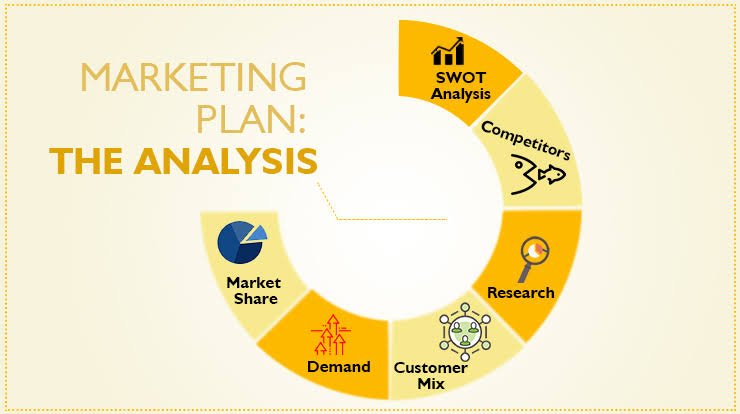
Q: Should my marketing plan include competitor analysis? It’s helpful context, though the plan should ultimately focus on your own specific strengths and audience rather than just reacting to competitors.
Conclusion
Writing a marketing plan doesn’t require elaborate frameworks — just honest clarity about your goals, audience, channels, budget, and how you’ll measure success. Keep it specific enough to actually guide decisions, and revisit it regularly so it stays useful rather than becoming another forgotten document.
Suggested image alt text: “marketing team planning strategy on whiteboard,” “person writing marketing plan document,” “small business owner reviewing marketing budget”