This case study looks at a small home bakery that started with local, word-of-mouth orders only, and within a year of shifting focus online, roughly doubled its monthly sales. The details here are based on a composite of common patterns seen across small home bakeries making a similar transition — useful as a practical roadmap rather than a single isolated story.
The Starting Point
The bakery began purely offline — orders came through phone calls and neighborhood word of mouth, with no real online presence beyond an occasional WhatsApp status update. Growth had plateaued, largely limited by how far word of mouth could naturally spread within a small geographic area.
Quick answer: The bakery’s core problem wasn’t product quality — it was visibility, since the business had no way to reach customers beyond its immediate physical neighborhood.
Step 1: Building a Simple Instagram Presence
The first real change was consistent Instagram posting — not elaborate, professionally shot content, just regular photos and short videos of the baking process, finished products, and customer orders (with permission).
- Posted 3-4 times weekly, focusing on real, unpolished process content
- Used relevant local hashtags to reach nearby potential customers
- Responded promptly to every comment and direct message, building genuine engagement
Step 2: Setting Up a Simple Ordering System
Instead of relying purely on phone calls, the bakery moved to a simple online ordering process through a basic website and WhatsApp Business, making it noticeably easier for new customers to place orders without needing a phone conversation first.
- Created a basic menu with clear pricing, visible online at any time
- Set up WhatsApp Business for order confirmations and quick customer questions
- Added simple online payment options to reduce friction at order time
Step 3: Leveraging Customer Reviews and Referrals
Every satisfied customer was gently encouraged to leave a review or share photos, which the bakery then reshared, building visible social proof that attracted new customers who hadn’t yet tried the product.
[link to related guide about home-based business ideas here]
Step 4: Expanding Delivery Radius Gradually
As online orders grew, the bakery gradually expanded its delivery radius using local delivery services, rather than staying limited to walk-in or very local pickup only, which meaningfully expanded the potential customer base.
[link to related guide about local delivery options for small business here]
The Results After One Year
Within roughly a year of consistent effort across these changes, monthly sales had roughly doubled compared to the purely offline starting point, with online orders eventually making up the majority of total revenue.
Key Takeaways From This Pattern
The core lesson here isn’t really about baking specifically — it’s about a small business methodically removing barriers to being discovered and ordered from, one deliberate step at a time, rather than expecting a single big change to transform results overnight.
Why This Approach Works for Similar Small Businesses
This general pattern — consistent social presence, simplified ordering, genuine social proof, gradual expansion — applies well beyond bakeries specifically, to many home-based and small local businesses facing a similar visibility ceiling.
FAQ
Q: How long does it typically take to see results from moving a small business online? Based on common patterns, meaningful traction often takes 6-12 months of consistent effort, not just an initial burst of activity.
Q: Is Instagram the best platform for small food businesses? It tends to work particularly well for food businesses due to the visual nature of the content, though this varies by specific local audience.
Q: Do I need professional photography to grow a small business online? Not necessarily — consistent, genuine content often performs just as well as highly polished content, especially for local, personal businesses.
Q: How important are customer reviews for a small business moving online? Very important — they provide social proof that helps new customers trust a business they haven’t personally experienced yet.
Q: Can this approach work for businesses other than food-based ones? Yes, the core principles — visibility, simplified ordering, social proof, gradual expansion — apply broadly across many small business types.
Conclusion
This case study pattern shows how a small, local business can meaningfully grow by systematically addressing visibility and ordering friction, rather than relying purely on word of mouth. The specific tactics matter less than the underlying approach — consistent effort across a few deliberate changes, sustained over months rather than expecting instant results.
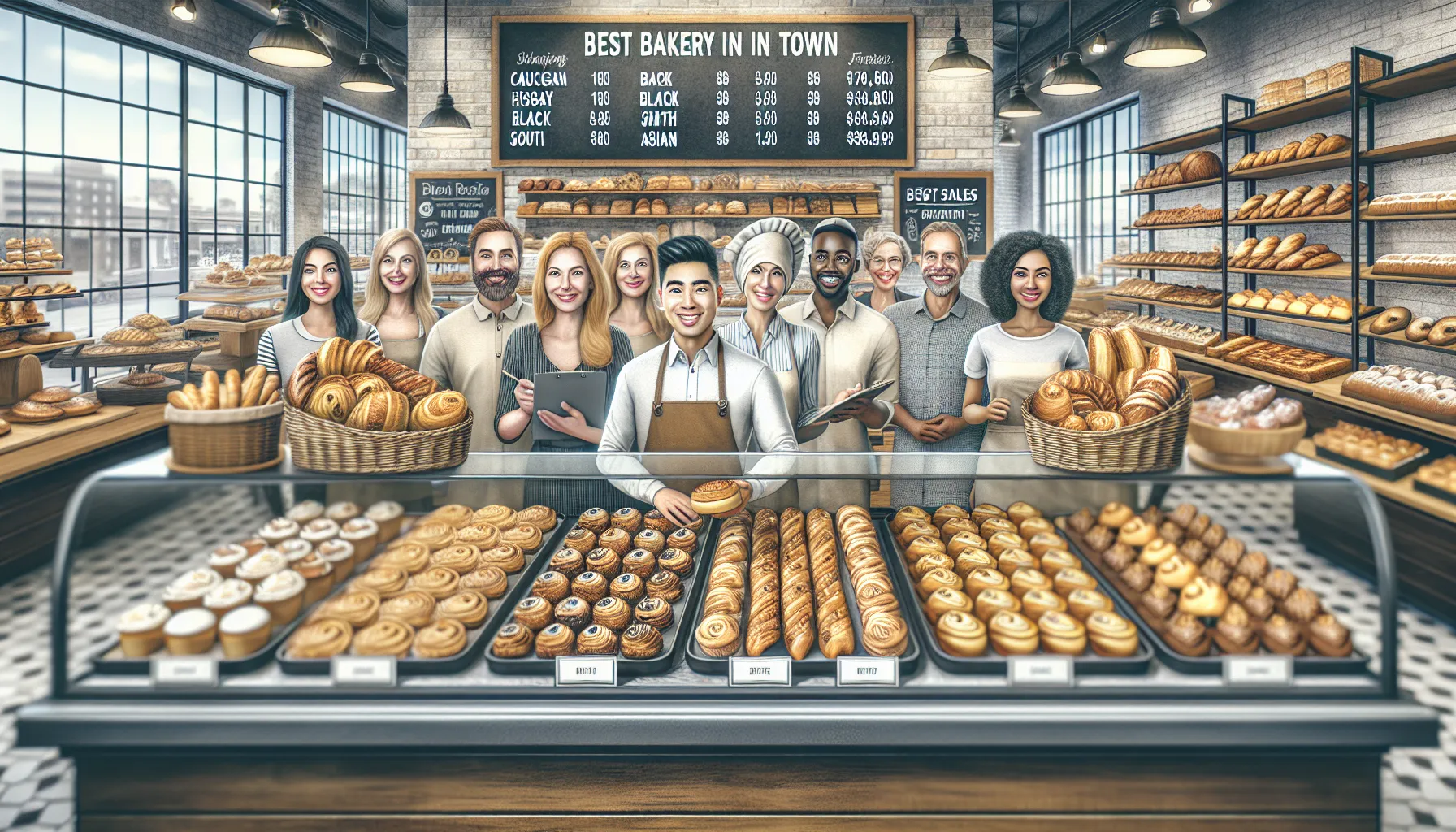
Suggested image alt text: “home bakery owner packaging online order,” “bakery Instagram page on phone screen,” “customer receiving bakery delivery”